



Fishing in the Waldviertel: Diversity and Opportunities
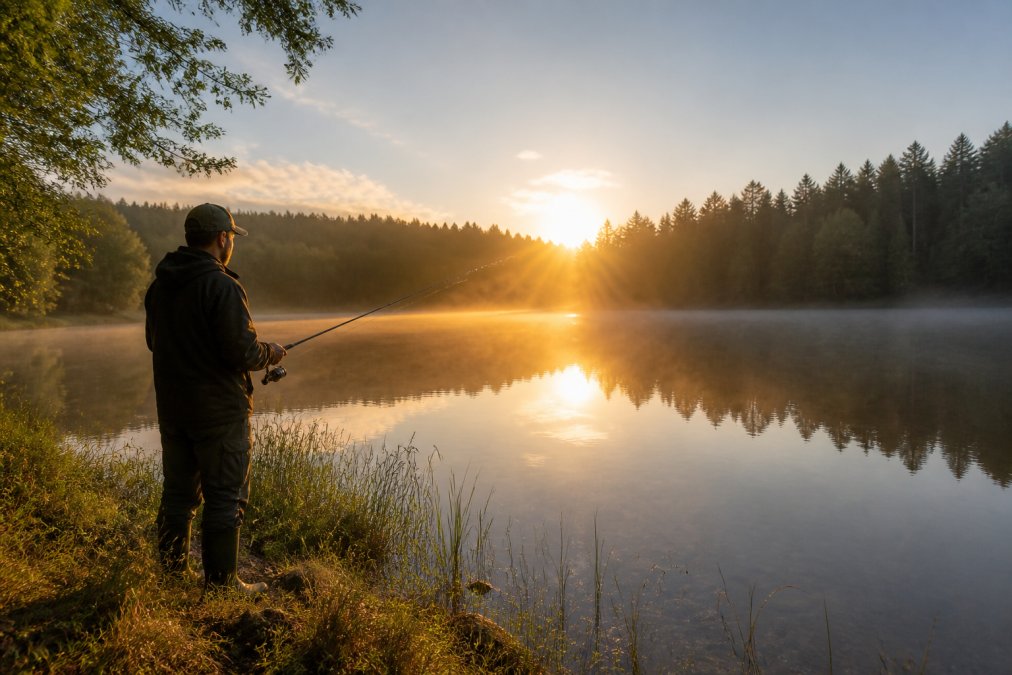
The Fishing in the Waldviertel is one of the most popular recreational activities in this region. Whether you're a beginner or an experienced angler—the waters around Gutenbrunn There's something for everyone. From calm ponds to flowing streams, there are fishing spots here that are home to both non-predatory and predatory fish.
The region is known for its unspoiled landscapes and the many fishing opportunities in the Waldviertel. Here, you can not only go fishing but also enjoy the tranquility of nature. Families in particular appreciate the combination of fishing and a relaxing vacation in one of Austria’s most beautiful natural landscapes.
At Ferienwohnungen Gutenbrunn, we offer you the perfect base for your fishing vacation. Our accessible vacation rentals are centrally located in the Waldviertel region, allowing you to set out early in the morning for a fishing trip and return relaxed in the evening. With personalized service from Anna and Herbert and family-friendly amenities, your accommodations are the ideal starting point for unforgettable days of fishing.
Lower Austria Fishing License: What You Need to Know
The Lower Austria Fishing License This is the main document for fishing in the Waldviertel region. It entitles you to fish in most of the region’s bodies of water and is generally a prerequisite for purchasing day passes or fishing permits.
Types of Fishing Licenses for Locals and Tourists
For Austrian citizens There are several options:
- Annual Fishing License: Valid for one calendar year; entitles the holder to fish in all managed waters in Lower Austria that accept this permit. Applications may be submitted to the relevant district administration office or online via the Lower Austrian Fisheries Act.
- Monthly Fishing License: For anglers who fish only seasonally. Often more affordable than the annual option if you fish only a few months a year.
- Weekly Fishing License: Ideal for anglers who want to make the most of specific weeks.
For Tourists and visiting anglers Without an Austrian fishing license, you can't get the Recreational Fishing License (also called a „guest card“):
- Valid for 7 or 14 days
- Authorized to fish in participating fishing areas in the Waldviertel
- Apply directly to fishing area owners, at local fishing stores, or through an agent
- No preliminary or specialized examination required
- Often cheaper than day passes for longer stays
Practical Steps for Your Fishing Vacation
Before your arrival:
- Contact the fishing areas you plan to visit and ask which types of licenses are accepted. Not all fishing areas accept all types of licenses.
- Find out whether a recreational fishing license is sufficient or if there are additional fishing area fees.
- Find out about closed seasons and minimum sizes for the fish species you want to catch—these are specified in the Lower Austria Fishing Regulations.
Upon arrival:
- Visit a local fishing shop or the owner of the fishing area and pick up a tourist fishing permit. It is often available within a few hours.
- Ask for the latest stocking schedules and catch reports—fishing area owners know where you’ll have the best chances of catching your target species.
- Let us explain the current rules to you: Which fishing methods are allowed? Are there any bans on night fishing? Which baits are permitted?
Frequently Asked Questions from Tourists
Can I go fishing without a fishing license? No. In Lower Austria, a valid fishing license (annual, monthly, weekly, or tourist license) is required when fishing (noe.gv.at). If you don't have a ticket, you could be fined.
Do I need to take a test to get a recreational fishing license? No. Tourists can purchase the guest permit without taking a specialized exam. However, you must comply with the fishing regulations—ignorance is no defense against fines.
How long is a recreational fishing license valid? That depends on the provider. Typically, 7 or 14 days from the date of issuance. Some fishing districts also offer day passes that are valid for 24 hours.
Can I give my fishing license to someone else? No. Fishing licenses are personal and non-transferable. Each angler must have their own license.
Support from Your Accommodation
When you arrive at the vacation rentals, Anna and Herbert can help you get the right fishing license. They know the local fishing areas inside and out and are familiar with which types of licenses are accepted where. This will save you time and help you avoid any misunderstandings while fishing in the Waldviertel.
Waldviertel Day Fishing Permits: Flexible and Hassle-Free
If you don't want to fish for the entire season, you can opt for day passes when fishing in the Waldviertel. These offer maximum flexibility and are particularly appealing to vacationers who are only staying for a few days.
Daily fishing permits are available at many bodies of water. You can often purchase them directly from the fishing area owner, at local fishing shops, or through agents. The Waldviertel daily fishing permits are generally valid for 24 hours and allow you to fish in one or more bodies of water—depending on the rules of the respective fishing area.
A major advantage: You can try out different bodies of water without having to commit long-term. When fishing in the Waldviertel with day passes, you’ll experience the region’s diversity. Some fishing districts offer combination passes that cover multiple bodies of water—ideal if you want to try different fish species or different fishing spots.
Prices for day passes vary depending on the fishing area and season. Please ask about the current rates when you arrive at the Gutenbrunn vacation rentals—we’re happy to help.
The Best Fishing Spots in the Region
The Waldviertel has many excellent fishing spots to offer. Each spot has its own character and is home to different species of fish. When fishing in the Waldviertel, you should be familiar with the various types of bodies of water so you can make the best choice.
Reservoirs and Watercourses
The reservoirs of the Waldviertel are ideal spots for catching larger fish. Reservoirs often feature deeper areas where predatory fish such as zander and pike can be found. These waters are particularly appealing to experienced anglers, as they require skill and patience.
Running waters, on the other hand, offer different attractions. Trout and grayling can be found in streams and smaller rivers. Fishing in the Waldviertel along running waters is often less crowded and offers a more immersive experience of nature. Water depths vary greatly, which makes for a varied fishing experience.
Both types of water bodies have their advantages. Reservoirs are more reliable for larger catches, while flowing waters offer a more authentic and peaceful experience. Many anglers visit both types during their fishing vacations in the Waldviertel to experience the full range of what the region has to offer.
Reed beds and shoreline areas
Reed beds are prime fishing spots in the Waldviertel region. Non-predatory fish such as carp and tench hide here. The vegetation provides them with shelter and food. Experienced anglers know that reed beds often offer the best chances of a catch.
The shoreline is also important. Shallow shoreline areas are ideal for beginners and families. Fishing here is less challenging, and you’ll see results more quickly. These spots are perfect for fishing with children in the Waldviertel region.
Fish Species in the Waldviertel: What's Biting Here?
The Waldviertel is home to a diverse range of fish species. When fishing in the Waldviertel, you’ll encounter classic European freshwater fish as well as a few specialty species.
Non-predatory fish Like carp, they are the dream of many anglers. These trophy-sized fish require patience and the right choice of bait. Tench are also common and offer exciting fishing experiences. Bream and roach are common and ideal for beginners.
Predatory fish For many, zander and pike are the highlights of a fishing vacation in the Waldviertel. These fish require active fishing and skill. Trout are found primarily in flowing waters and spring areas.
The stocking plans for each fishing area determine which fish species you’ll find where. When fishing in the Waldviertel, you should find out in advance which species are currently active. The season also plays a role—some fish are more active during certain months. Find the right fishing gear.
Fishing Vacation in the Waldviertel: Planning and Preparation
A successful fishing vacation in the Waldviertel starts with good planning. You should take care of the most important preparations before you even arrive.
Find out about the opening hours of the fishing areas and the rules that apply to fishing in the Waldviertel. Some bodies of water have restrictions on night fishing or certain fishing methods. Check whether you need a fishing license or if a day pass is sufficient.
Book your accommodations early. Ferienwohnungen Gutenbrunn offers comfortable apartments with everything you need—a kitchen-diner, a bedroom, and wheelchair-accessible amenities. That way, you can arrive feeling relaxed and focus on your fishing adventure.
Pack the right gear. Depending on the types of fish and bodies of water, you’ll need different rods, reels, and bait. A fishing vacation in the Waldviertel with subpar gear will be frustrating—invest in quality.
Responsible Fishing: Rules and Nature Conservation
When fishing in the Waldviertel, ethical fishing is not only a rule but also a matter of ethics. Ethical fishing means treating fish with respect and protecting nature.
Fishing regulations govern how and when you are allowed to fish. Certain fish species have closed seasons during which they may not be caught. Minimum size limits protect young fish—these must be released immediately. When fishing in the Waldviertel, you must be fully familiar with these rules and follow them.
Nature conservation is an important consideration. The waterways of the Waldviertel are precious and must be protected. Be careful not to damage the banks, take your trash with you, and respect the tranquility of nature. Responsible fishing also means catching only as many fish as you can consume.
Family-friendly fishing spots and accessible entry points
When going on a family fishing vacation in the Waldviertel, finding the right fishing spots is key. Not all fishing areas are equally family-friendly—some have steep banks or dangerous areas.
Look specifically for fishing spots with shallow banks and easy access. These allow even younger children to fish safely. Some fishing areas offer special family zones—ask about them if you’re planning to fish in the Waldviertel with children.
Accessible entry points are essential for people with mobility impairments. Not all bodies of water are wheelchair accessible – Check in advance. Vacation rentals in Gutenbrunn are fully accessible, and we can help you find suitable fishing spots.
Local infrastructure is important. Are there parking spots nearby? Are restrooms available? When fishing in the Waldviertel with your family, these practical considerations shouldn't be overlooked.
Equipment Guide for Your Fishing Adventure
The right gear for fishing in the Waldviertel depends heavily on the type of body of water and the target species. The region offers three different types of bodies of water, each with its own set of requirements.
Equipment for Reservoirs
The reservoirs in the Waldviertel are often deep and large. Predatory fish such as zander and pike are common here.
For spin fishing for predatory fish:
- Tail: 2.4 to 2.7-meter spinning rod, casting weight 7–21 grams. This length allows for long casts over open water.
- Role: A spinning reel with a line capacity of at least 200 meters. A good drag system is essential—large zander and pike require control.
- String: 0.20–0.25 mm monofilament line or braided line (0.15 mm). Braided line provides better bite detection at depth.
- Bait: Wobblers (7–12 cm) in natural colors (silver, green, brown), spinners (size 3–4), soft plastic lures (8–12 cm). Reservoirs often have clear water—subdued colors are best.
- Accessories: Steel leader (0.35–0.40 mm) to protect against injuries from sharp teeth, swivel to prevent line twisting, landing net with a diameter of at least 1.2 meters.
For non-predatory fish (carp, tench):
- Tail: 3.0 to 3.6-meter non-predatory fishing rod, casting weight 2–3.5 pounds. Longer rods allow for long casts into reed beds.
- Role: Free-spool reel or modern baitrunner reel. This allows the fish to take line without feeling any resistance.
- String: 0.30–0.35 mm monofilament line. Monofilament is more elastic and more forgiving of mistakes.
- Bait: Boilies (20–24 mm in diameter) in fishmeal or vanilla flavors, pellets, corn, potatoes. Reservoir carp are often conditioned to take boilies.
- Accessories: Bite alarms (audible or electronic), tripod, bait baskets, unhooking mat for gentle unhooking.
Equipment for flowing waters (streams and small rivers)
The rivers and streams of the Waldviertel are shallower and have a strong current. Trout and grayling are the main targets.
For fly fishing:
- Tail: 2.1 to 2.7-meter fly rod, AFTM Class 4–6. Shorter rods allow for precise casts in narrow sections of streams.
- Role: Fly reel with a drag system, line capacity of at least 100 meters.
- String: Floating fly line (WF5F) for surface lures, or intermediate or sinking line for deeper areas.
- Bait: Dry flies (sizes 14–18) for surface fishing, nymphs (sizes 12–16) for the bottom. Patterns: Pheasant Tail, Hare’s Ear, Adams.
- Accessories: Waders (neoprene or breathable), wading shoes with treaded soles, fly box, cutting shears.
For spin fishing in streams:
- Tail: 1.8 to 2.1-meter ultra-light spinning rod, casting weight 2–7 grams. Short rods allow for better control in narrow sections of streams.
- Role: Small fixed-line reel (size 1000–2000), lightweight and precise.
- String: 0.12–0.16 mm monofilament line or thin braided line.
- Bait: Small spinners (size 0–1), mini wobblers (4–6 cm), small rubber lures (5–7 cm). Trout in streams are skittish—subtle movements are key.
- Accessories: Small landing net, polarized sunglasses for spotting fish beneath the surface.
Equipment for Ponds and Lakes (Non-Predatory Fish)
The smaller ponds in the Waldviertel are ideal for beginners and families. Non-predatory fish such as roach, bream, and tench are the most common here.
For beginners:
- Tail: 2.4 to 3.0-meter all-around rod, casting weight 5–20 grams. A versatile rod for various fishing methods.
- Role: Stationary reel (size 2000–2500), sturdy and beginner-friendly.
- String: 0.20–0.25 mm monofilament line.
- Bait: Worms (earthworms, maggots), small fish, breadcrumbs. Simple and reliable.
- Accessories: Floats, lead weights, hook lines in various sizes (8–14), landing net.
For experienced non-predatory fish anglers:
- Tail: 3.6 to 4.2 meters, non-predatory fishing rod, casting weight 2–3.5 pounds.
- Role: Free-spool reel with line brake.
- String: 0.28–0.32 mm monofilament line.
- Bait: Boilies, pellets, corn, potatoes, tiger nuts. Bait (groundbait) for feeding.
- Accessories: Bite indicators, tripod, feed baskets, unhooking mat, scale for weighing catches.
Seasonal Adjustments
Spring (March–May): Fish are hungry after winter. Smaller bait and slower movements are often more effective. Waders are still necessary—the water is cold.
Summer (June–August): Fish are active, but often in deeper or shadier areas. Early morning and evening are the best times. UV protection and a hat are important.
Fall (September–November): Fish feed voraciously before winter. Larger bait and more active fishing techniques work well. Waders are needed again.
Winter (December–February): Many bodies of water have fishing bans or closed seasons. Where fishing is permitted, patience and minimal movement are required.
Checklist for Your Fishing Vacation
- Fishing License or Tourist Fishing License
- Rod(s) and Reel(s) for the Fish You're Targeting
- Fishing line, leaders, swivels
- Bait (fresh or preserved, depending on the type of body of water)
- Fishing net
- Accessories (hook lines, lead weights, floats, bite indicators)
- Wading pants and wading shoes (for flowing waters)
- Polarized Sunglasses
- Headlamp (for night fishing, if permitted)
- First-Aid Kit and Insect Repellent
- Weather protection (rain jacket, sun protection)
Lodging and Relaxation After Fishing
After a fulfilling day of fishing in the Waldviertel, you'll need comfortable accommodations. That's where Ferienwohnungen Gutenbrunn comes in.
Our four lovingly furnished apartments offer everything you need after a day of fishing. The kitchen-dining area lets you prepare your catch—nothing tastes better than freshly caught fish. The spacious bedrooms ensure a restful night’s sleep after active days on your Waldviertel fishing vacation.
Especially important: Our apartments are fully accessible. People with mobility challenges can stay here without any difficulties. Families with children appreciate the family-friendly amenities and the quiet location.
The personal attention you receive from Anna and Herbert makes all the difference. They know the region well and can offer valuable tips on fishing in the Waldviertel. If you have any questions or need assistance—we’re here for you.
Dog owners are also welcome. You can bring your four-legged friends out into nature—many fishing spots are dog-friendly. After fishing in the Waldviertel, you can take a relaxing walk through the countryside with your dog.
The central location of our vacation apartments makes it easy to explore various fishing spots. Head out for a quick morning fishing trip in the Waldviertel, then return in the evening to relax—that’s the perfect fishing vacation in the Waldviertel.
When fishing in the Waldviertel, you’ll experience one of Austria’s most beautiful natural regions. From the right equipment and proper fishing etiquette to the perfect accommodations—Gutenbrunn Vacation Rentals will guide you through your fishing vacation. Our accessible apartments, the personal attention you’ll receive from Anna and Herbert, and our central location will make your stay unforgettable. Book directly with us and enjoy the tranquility of nature combined with exciting days of fishing in the Waldviertel.
Frequently Asked Questions
Do I need a fishing license to fish in the Waldviertel?
Yes, you need a Lower Austria fishing license to fish in the Waldviertel region. You can purchase either a day pass or an annual license. Tourists have the option of using a tourist fishing license. You can find the exact requirements and costs by contacting the relevant local authorities or fishing associations.
What kinds of fish can I catch in the Waldviertel?
In the Waldviertel, you’ll find a diverse fish population. Common species include carp, walleye, predatory fish, and various non-predatory fish. Fish populations are particularly abundant in the region’s reservoirs and flowing waters. Before your fishing trip, be sure to check the closed seasons and minimum sizes for each fish species.
Are all fishing spots in the Waldviertel accessible to people with disabilities?
Not all fishing spots in the Waldviertel offer barrier-free access. However, there are several family-friendly and wheelchair-accessible fishing areas in the region. When planning your fishing vacation, we recommend finding out in advance which bodies of water and shoreline areas are suitable for your needs. Local fishing clubs can provide specific recommendations.
Can I fish in the Waldviertel without a fishing license?
Austrian citizens are required to pass a fishing exam. Tourists may fish with a tourist fishing permit under certain conditions. Check with local authorities or fishing associations for the exact regulations and requirements for visitors.
This article was written using GrandRanker


Comments are closed, but trackbacks and pingbacks are open.