



Table of Contents
- Experiencing Nature in the Waldviertel: Why Toddlers Love Nature
- Places to Visit in the Waldviertel for Kids: From Nature Parks to Themed Attractions
- Hiking with Toddlers in the Waldviertel: Planning Age-Appropriate Hikes
- Stroller-Friendly Hiking Trails in the Waldviertel: Accessible Routes
- The Waldviertel with Kids When It Rains: Indoor Alternatives and Tips for Bad Weather
- Playgrounds and Physical Activity Programs: Adventures for Little Explorers
- Practical Supplies for Travel: What Families Should Pack
- A Nature Experience with Personal Guidance: Your Base in the Waldviertel
- Conclusion: Unforgettable moments in nature with the whole family
- Frequently Asked Questions
Last updated: October 18, 2026
Experiencing Nature in the Waldviertel: Why Toddlers Love Nature
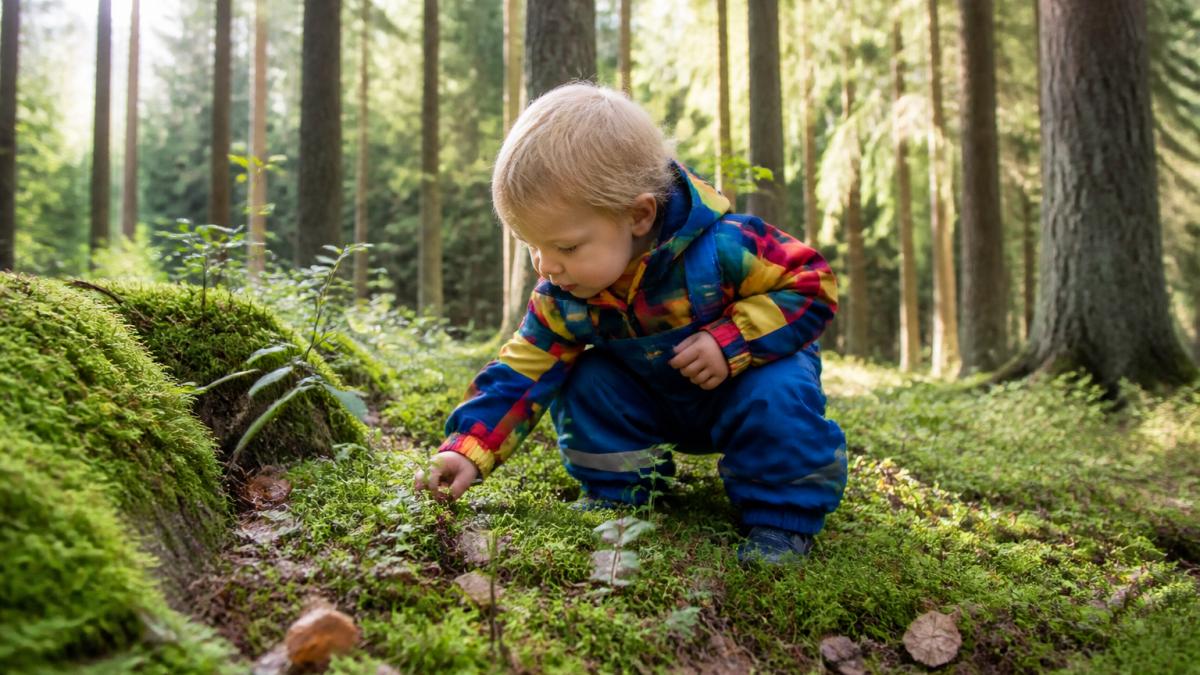
Nature is the best playground for young children. That Nature Experience in the Waldviertel for Families with Young Children offers exactly what children need: space to explore, fresh air, and real adventures away from screens. At Apartments Gutenbrunn We understand how important these moments are—that's why we've specifically designed our accommodations for families seeking nature and tranquility.
Young children learn through direct contact with their surroundings. They collect rocks, observe insects, and discover new textures. These sensory experiences are crucial to their development. The Waldviertel offers ideal conditions for this: rolling hills, accessible forests, and natural areas that aren’t overcrowded.
The region is known for its unspoiled countryside and tranquility. Here, families will find what they often miss in larger tourist areas: authenticity and personalized service. Our team at Ferienwohnungen Gutenbrunn is happy to help guests plan their excursions and knows the best places for families with young children.
Toddlers under three years old have a shorter attention span. Choose activities that combine several short ones—for example, a 20-minute walk, followed by a break with a snack, and then a trip to the playground. This keeps the day relaxed and ensures everyone has fun.
Places to Visit in the Waldviertel for Kids: From Nature Parks to Themed Attractions
The Waldviertel offers a wide variety of family-friendly destinations. Nature parks feature guided trails and informational signs. Themed attractions, such as fairy-tale parks, spark the imagination of young children. Amusement parks with playgrounds give older siblings plenty of space to run around.
Nature Parks and Moorlands
Nature parks are ideal for families with young children. The trails are often well-marked and well-maintained. Many of the moorlands in the Waldviertel offer flat, level trails that are accessible even with strollers.
A nature park shows children real ecosystems. They see plants that grow only in bogs. They hear birds singing and learn how nature works. These firsthand experiences of nature are much more valuable than photos or videos.
Even on hot summer days, it stays cool in the bogs. The vegetation blocks the sun, making hikes through the bogs pleasant for young children even on warm days.
Wilderness and Forest Nature Experiences
Forest hikes are the heart of a Nature Experiences in the Waldviertel for Families with Young Children. The forest offers shade, natural play areas made of rocks and branches, and a peaceful atmosphere.
Young children love to collect sticks, climb over roots, and watch animals. The forest sparks their imagination. A simple walk turns into an adventure.
Important: Choose forest trails that aren't too steep and offer good traction. Damp forest floors can be slippery. Sturdy footwear is important— for children and parents.
Visits to the forest are free and flexible in terms of timing. You can start and finish whenever you like. This makes them perfect for families with young children who have irregular sleep and meal schedules.
Fairy Tale and Themed Activities
Fairy-tale parks and themed attractions appeal to children ages two and up. They combine nature with stories and play elements.
Theme parks often have quieter areas next to the active play zones. This allows families with children of different ages to spend time together.
Many of these attractions are seasonal. Be sure to check opening hours and current programs in advance.
Hiking with Toddlers in the Waldviertel: Planning Age-Appropriate Hikes
Hikes with young children require different planning than hikes with adults. The pace, distance, and breaks must be tailored to the children. The good news: The Waldviertel has many short, easy trails.
Duration and Distance for Different Age Groups
Under 18 months: Children this age are still in strollers. Choose flat, paved, or well-paved paths. Duration: 60 minutes maximum, without breaks. Distance: 2–3 kilometers.
18 months to 3 years: Children start walking, but they get tired quickly. Plan plenty of breaks. A good rule of thumb: Walking time shouldn’t exceed 30 minutes at a time. After that, take a 15- to 20-minute break (snack, play, rest). Total duration: up to 2 hours, including breaks. Distance: 1.5–2.5 kilometers.
3 to 5 years: Children have more stamina. They can walk for 45 minutes to 1 hour at a time. Breaks are still important—take a 15-minute break after every hour of walking. Total duration: up to 3 hours, including breaks. Distance: 3–5 kilometers.
Reality often differs from what we plan. A fascinating insect can cause a 30-minute break. That’s completely normal and even valuable—children learn through observation.
Safety and Nature Rules for Young Hikers
Safety starts with good preparation. Find out about the route: Is there any water you’ll need to cross? Are there any stairs? What are the trail conditions like?
Important Safety Rules for Toddlers:
- Children under 4 years of age should always remain within sight
- Sturdy shoes with good traction are required
- Bring sunscreen and insect repellent
- Offer water and snacks regularly
- Hike early in the morning or late in the afternoon when it's hot
- Take breaks in the shade
Teach nature rules in a playful way: Don’t pick plants, watch animals instead of touching them, and take your trash with you. Young children learn by imitation—if parents follow these rules, the children will do the same.
Austrian Nature Conservation Regulations provide guidelines for behavior in protected natural areas.
Wetlands can have deep spots. Children must stay on the marked trails. A misstep can be dangerous. Supervision here is not optional—it is necessary.
Stroller-Friendly Hiking Trails in the Waldviertel: Accessible Routes
Not all trails are suitable for strollers. Roots, steps, and uneven ground make many forest trails impassable. But there are good alternatives—especially for families with several young children.
How to Tell If a Path Is Stroller-Friendly
In practice, four factors determine whether a path is suitable for a stroller:
- Road surface: Asphalt, concrete, or tightly packed gravel (with a grain size of up to about 8 mm) are easy to roll on. Loose gravel surfaces, meadow paths, and forest floors with exposed roots are difficult or even impossible to navigate with small wheels.
- Width: At least 80 cm of clear width so the cart doesn't constantly get stuck at the edge. It gets tight when meeting oncoming traffic on narrower paths.
- Gradient: Short inclines of up to about 8 percent are manageable with a good stroller. Longer sections with gradients over 10 percent require a lot of effort and are difficult to brake safely with a child in the stroller—especially going downhill.
- Obstacles: Steps, grating, root-covered steps, and stream crossings are the most common reasons for exclusion. Barriers with narrow openings are an underestimated problem—the car often can’t fit through.
A helpful tip: Before you set out, check the directions for these four points. If any information is missing, take a look at satellite or hiking maps—wide, light-colored lines usually indicate paved roads, while narrow, dark lines indicate trails.
Bicycle and freight routes as a reliable foundation
In the Waldviertel Well-maintained bike and farm trails are the most reliable choice for families with strollers. They often follow former railroad right-of-ways or farm roads, are paved throughout, and have moderate gradients. Many of these trails are also signposted and integrated into regional trail networks.
The advantage: They’re usually wide enough to allow people to pass each other, have no steps, and lead past villages—where you’ll find benches, fountains, and places to stop for a break. The downside: They’re less „wild“ than forest trails. For toddlers, however, this is rarely a drawback—what matters most is that they can walk on their own and take in their surroundings.
Nature Parks and Moorlands: What's Really Going On
Many nature parks in the Waldviertel have some sections that are accessible, but not every signposted loop trail is stroller-friendly. Moorland areas often feature flat, level paths—though these are frequently on wooden walkways with narrow passages and occasional steps. Be sure to ask specific questions before your visit:
- Is there a continuous, paved loop trail without any steps?
- How wide are the walkways, and are there any passing spots?
- Where are the nearest benches and restrooms?
These three questions will clear up most of your uncertainties and prevent you from having to turn the car around in the middle of a dock.
Accessibility and Strollers: Where the Concepts Overlap
Accessible facilities—such as level entrances, wide doors, and wheelchair-accessible restrooms—are also valuable for families with strollers. However, „accessible“ and „stroller-friendly“ are not the same thing: Accessibility does not say anything about the condition of a hiking trail. Therefore, do not rely solely on accessibility symbols; instead, check the trail conditions separately.
The Austrian Network for Accessible Tourism provides information on accessible routes and facilities.
Rest stops and places to rest along the way
A good hiking trail has places to rest. Benches, picnic areas, or shelters allow you to take a break without having to sit on the ground. This is especially important when you’re pushing a stroller: You need a level surface to park the stroller and, ideally, shade for lunch breaks.
Rest stops are restaurants, cafés, or alpine huts along the route. They offer drinks, food, and restrooms. This is especially important when traveling with young children—restroom breaks are unpredictable. Plan your route so that you reach a rest stop or at least a bench every 45–60 minutes. This reduces stress and makes the outing more enjoyable.
Be sure to bring a small air pump and a tire lever. A flat tire on a stroller while walking on a forest trail would otherwise mean the end of your outing—but with a few tools, you can fix it in just a few minutes.
When the ground is damp or after it rains, many trails in the Waldviertel are slippery. Always use both hands to steer the stroller downhill, and engage the parking brake when you stop—even on surfaces that appear level.
The Waldviertel with Kids When It Rains: Indoor Alternatives and Tips for Bad Weather
Rain is no excuse to cut your vacation short. With the right alternatives, your trip will remain exciting—even if the weather doesn't cooperate.
The Bad Weather Plan by Time of Day
A tried-and-true routine for rainy days with toddlers:
- Morning (9 a.m.–12 p.m.): An indoor activity that involves physical movement—a museum with a children’s area, an indoor pool, or a sports hall with a play area. Young children are most receptive in the morning and need to move around first.
- Lunch (12:00–2:00 p.m.): Food and rest. Make a point of scheduling a break at your lodging or in a café—don’t keep a nonstop schedule.
- Afternoon (2:00–5:00 p.m.): Quieter activities—an exhibit, the library, or a short walk during a break in the rain. Toddlers are often more tired in the afternoon; overly demanding schedules can lead to tantrums.
- Evening: An early meal, a bath, reading aloud. The day ended peacefully, even though we spent it indoors.
This routine isn't a rigid schedule, but rather a guideline. It's important that not everything happens at the same time indoors—otherwise, the day will be exhausting for everyone.
Museums, Foundations, and Exhibitions
Museums and abbeys are ideal destinations for bad weather. Many are designed to be child-friendly and feature interactive areas. Abbeys are historic monasteries with museums—they tell stories in a way that even children can understand. Many have gardens and outdoor areas that you can explore during breaks.
Exhibits can be overwhelming for young children. Choose museums with short tours or those that focus on children's exhibits. Keep the following in mind:
- Duration: A tour should not last longer than 30–45 minutes for young children. After that, they need a break or another activity.
- Freedom of movement: Are there any areas where children are allowed to run around? Exhibits where visitors are asked not to touch the displays are not suitable for toddlers.
- Restrooms and changing rooms: Check before you go—not every small museum has changing facilities.
Indoor Exercise Experiences
Indoor swimming pools, sports centers with playgrounds, and climbing gyms offer opportunities for physical activity when the weather is bad. Many municipalities have sports centers with play areas for children. These are affordable and provide space for kids to run around.
Indoor pools are relaxing for parents and fun for children. Warm water and shallow areas for toddlers make them ideal. Pay attention to the water temperature—at least 30 °C is comfortable for toddlers; colder pools can quickly make them feel cold. Also: Slides and diving areas are often only suitable for older children; for toddlers, the shallow wading pool is what matters.
Practical Gear for Bad Weather
What makes all the difference on rainy days:
- A change of clothes for everyone – Not just for the kids. Parents get wet, too, while carrying them and playing with them.
- Waterproof Shoes for short distances between the car and the entrance.
- A small bag with snacks and drinks – Indoor attractions often have long wait times or limited food and beverage options.
- Wet wipes and disinfectants – especially important in indoor pools and play areas.
- A blanket or a cloth For covering benches or for changing diapers on the go.
Heat as a Form of Bad Weather
Bad weather isn’t just rain. On hot days above 30 °C, similar rules apply: plan activities for the cooler morning and evening hours, and stay indoors or in the shade at midday. Bogs and forests are cooler than open areas on hot days—a morning hike through a bog is often more pleasant than a visit to a playground in the afternoon. Indoor activities are also a good option on hot days, especially around noon.
The best „bad weather“ day is one that isn’t planned as a “substitute” but as a day in its own right, filled with activity, rest, and meals. If you maintain the same routine indoors as you would outdoors, you can avoid overwhelming both children and parents.
During thunderstorms and heavy rain, avoid forest trails and boardwalks in marshes. Trees may lose branches, and boardwalks become slippery. Postpone your outdoor plans until the next day—indoor alternatives are the safer choice on days like these.
Playgrounds and Physical Activity Programs: Adventures for Little Explorers
Playgrounds are important for motor skill development. The Waldviertel region has many playgrounds—ranging from simple village playgrounds to large amusement parks.
Good playgrounds have different areas: a sandbox for toddlers, swings, slides, and climbing areas for older children. This way, siblings can play together.
Be sure to follow safety standards: Place soft padding under equipment, avoid sharp edges, and ensure heights are appropriate for the child's age.
Many playgrounds have picnic areas and restrooms. This makes longer visits enjoyable.
Playgrounds near nature parks combine the best of both worlds: experiencing nature and structured play opportunities. Ideal for families who enjoy variety.
Practical Supplies for Travel: What Families Should Pack
Proper preparation makes all the difference between a relaxing trip and a stressful one.
Essential Equipment:
- Enough water (at least 1 liter per person)
- Snacks: Fruit, granola bars, sandwiches
- Diapers and wet wipes (including for older children)
- Sunscreen and a hat
- Insect repellents
- First-aid kit: Band-Aids, antiseptic, pain relievers
- A change of clothes (kids get wet and dirty)
- Gloves and a hat (in cool weather)
Practical Tips:
- Backpacks with chest straps distribute the weight more evenly
- Young children can be carried in backpacks when they get tired
- Snack boxes with lids prevent spills
- Wet wipes in a separate pouch are easy to access
Having the right gear reduces stress and makes outings safer and more enjoyable.
Checklists for Family Outings offer additional practical tips.
A Nature Experience with Personal Guidance: Your Base in the Waldviertel
A successful family vacation starts with good accommodations. Ferienwohnungen Gutenbrunn offers exactly what families with young children need.
Our four lovingly furnished apartments are barrier-free and wheelchair-accessible. This isn’t just important for people with limited mobility—parents with strollers also benefit from ground-level entrances and wide doors.
The personal attention you receive from Anna and Herbert is what sets us apart from other accommodations. We know the area well and can offer specific recommendations: Which trails are best right now? Where are the best playgrounds? Which restaurants are kid-friendly?
Our apartments have open-concept kitchens where you can cook for yourself. This is convenient when you have small children—you have complete control over mealtimes and what you eat.
The peaceful location in the Waldviertel region is an ideal base for day trips. In the morning, you can head out into nature; come back at noon for lunch and a rest; and head out again in the afternoon. This flexibility is invaluable when traveling with young children.
Accommodations with personalized service take some of the pressure off. You don't have to figure everything out on your own. Experienced hosts know the best tips and can react on the spot when plans change.
Conclusion: Unforgettable moments in nature with the whole family
The Nature Experience in the Waldviertel for Families with Young Children It's possible—with good planning and the right expectations. Young children don't need long hikes or adventurous trips. They need time in nature, space to explore, and breaks when they get tired.
The Waldviertel offers the perfect setting for this. With nature parks, forest trails, playgrounds, and themed activities, there’s something new to discover every day. The region’s tranquility is a major advantage—your family can relax without feeling rushed.
Your accommodations are your base. Ferienwohnungen Gutenbrunn offers accessible apartments with personalized service from Anna and Herbert. This means you have a safe base from which to explore the region. You have someone to advise and support you. And you have the peace and quiet you need.
Book directly with Ferienwohnungen Gutenbrunn and enjoy a vacation where the whole family can relax. Nature experiences, barrier-free access, and warm hospitality—all in one place.
Frequently Asked Questions
What nature experiences in the Waldviertel are particularly suitable for toddlers?
Young children benefit from nature experiences that engage multiple senses: exploring streams to play in the water, discovering forest floors covered with moss and mushrooms, walking along flat paths through moorlands, and enjoying open meadows with views of natural highlights. Ideal destinations are those with short travel times, rest areas, and dining options. Lake Edlesberg offers flat shores and marked trails. Nature parks in the Waldviertel region feature special family programs and national park center activities with child-friendly guided tours.
Are there hiking trails in the Waldviertel that are suitable for families with strollers?
Yes, there are several marked trails that are accessible with strollers. The criteria include flat or gently sloping sections without steps, firm surfaces (asphalt, compacted forest trails), and sufficient width. The nature park offers family hiking trails that meet these standards. Before setting out, you should check the route length (maximum 3–5 km for toddlers) and rest stops. Many trails have rest areas with benches and drinking water fountains.
How long should a hike with toddlers last?
For toddlers under 3 years old, we recommend hikes with a maximum walking time of 1–2 hours. Children ages 3–5 can handle 2–3 hours if there are regular breaks and plenty of variety. Plan rest stops at interesting locations (streams, playgrounds, scenic viewpoints). The actual duration will be longer due to breaks for exploration, snacks, and photo opportunities. In hot weather or bad weather, keep hikes shorter.
What can you do with toddlers in the Waldviertel when it rains?
When the weather is bad, the Waldviertel offers museums, abbeys, and national park visitor center exhibits with interactive activities for children. Indoor activities at indoor venues and covered theme parks are good alternatives. Many attractions have dining options and baby-changing rooms. Indoor activities, such as arts and crafts in museums, combine education with fun. Check with the venues for seasonal hours and family rates.
A vacation in nature with young children is a wonderful opportunity—for your children to learn and grow, and for you to unwind from everyday life. Ferienwohnungen Gutenbrunn offers the ideal setting: barrier-free apartments with a kitchen-dining area, personalized service from the hosts, and a central location for excursions into the Waldviertel region. Experience how your family thrives in the tranquility of this natural landscape.

Comments are closed, but trackbacks and pingbacks are open.