


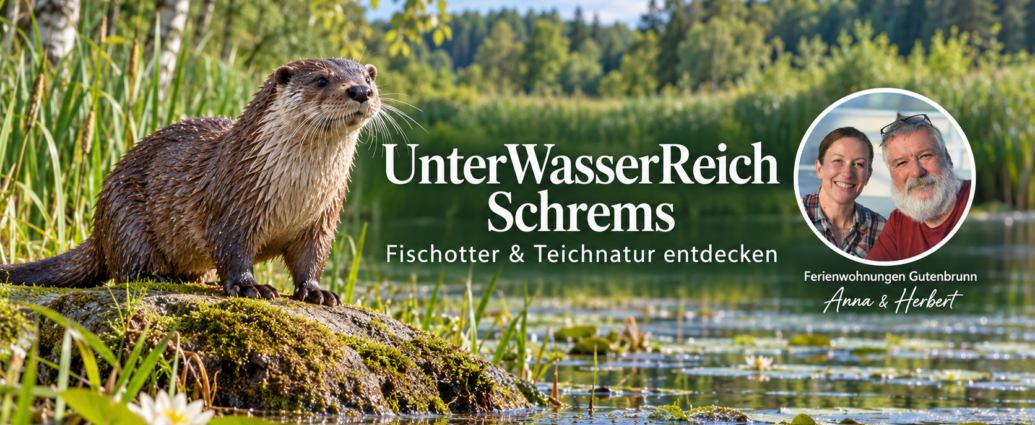
What is the Schrems Underwater Kingdom?
The Schrems Underwater Kingdom is a fascinating nature experience center in the heart of the moorland that offers visitors direct access to one of Austria’s unique ecosystems. The facility combines nature conservation with interactive environmental education and brings the biodiversity of a raised bog to life for families, nature lovers, and active vacationers. With its various exhibition areas, the otter enclosure, and the hiking trails through the Waldviertel moorland, the Unterwasserreich has become a major attraction for day trips.
Visitors to the Schrems Underwater Kingdom don’t just experience a tourist attraction—they immerse themselves in a nature reserve that authentically preserves the flora and fauna of a raised bog. The combination of an indoor interactive exhibition and outdoor activities makes the Underwater Kingdom ideal for Families with children, who want more than just superficial entertainment. Especially for vacationers staying in vacation rentals Gutenbrunn Whether you're staying overnight or not, the Schrems Underwater Kingdom is the perfect destination—it's centrally located in the region and offers activities for every taste.
The facility owes its name to the special importance of water for the moor ecosystem. The underwater realm demonstrates how closely flora, fauna, and water management are intertwined in this sensitive landscape. A visit provides an understanding of nature conservation in a practical, hands-on way.
The Schrems "Ladder to Heaven": Observation Tower with Panoramic Views
The Himmelsleiter is the landmark of the Schrems Unterwasserreich and offers visitors a spectacular observation tower overlooking the entire moor landscape. This observation tower provides a panoramic view that truly brings home the scale of the raised bog—from above, you can see the characteristic bog structures, the pond landscapes, and the surrounding forests in their full extent.
The climb up the “Stairway to Heaven” is manageable even for children and offers a sense of accomplishment that makes the visit unforgettable. Once at the top, visitors gain a much better understanding of the importance of the nature reserve: they can see just how valuable and fragile this ecosystem is. On clear days, the view extends far beyond the Waldviertel moorland.
The Schrems Sky Ladder is not only an observation tower but also a starting point for hikes through the area. Many visitors combine the climb with walks along the nature trails that wind through the underwater realm. Photographers particularly appreciate the vantage point—this is where the aerial shots of the moorland are taken.
The observation tower is worth a visit even in changeable weather. Even when it's foggy, the "Himmelsleiter" offers a stunning view of the moorland—and the atmosphere is especially enchanting then.
Top Attractions and Nature Experiences
Raised bog and bog landscape
The raised bog is the heart of the Schrems Underwater Kingdom and a protected natural wonder. This bog landscape formed over thousands of years and is home to specialized plants and animals that can survive only in such ecosystems. The raised bog is not simply a „wet forest“—it is a complex ecosystem with its own rules.
Visitors can hike through the raised bog on special wooden boardwalks without damaging the sensitive ecosystem. These trails are designed to be family-friendly, allowing even children to safely explore the bog landscape. To many visitors, the Waldviertel bog landscape seems impressively quiet and unspoiled.
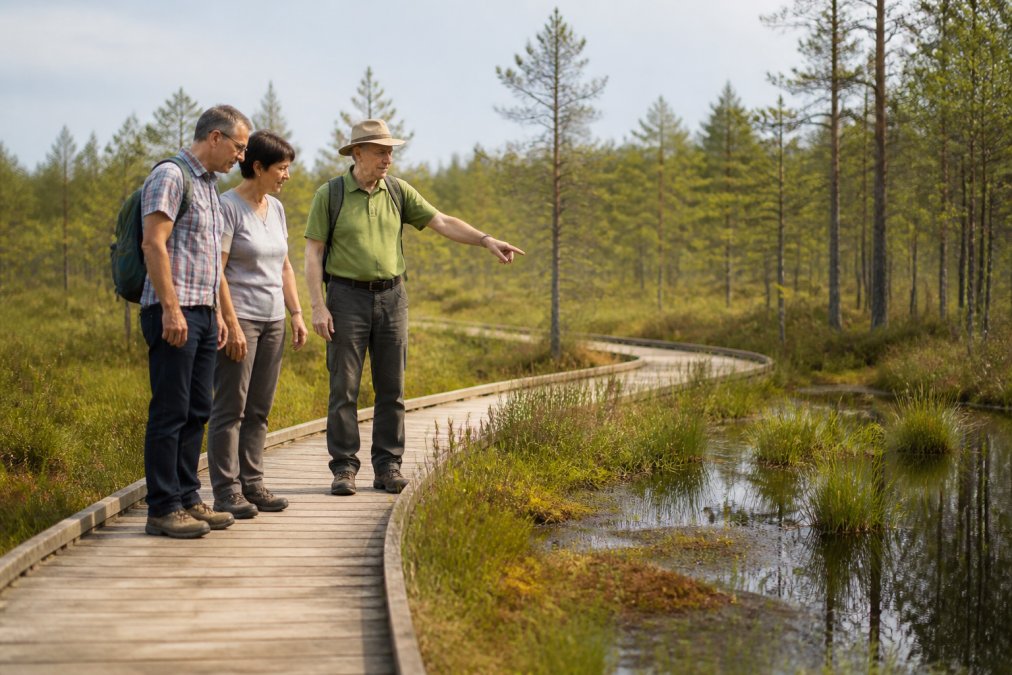
The flora in the raised bog differs significantly from that of other forested areas. Sphagnum mosses, cotton grass, and carnivorous plants are native here. For nature lovers and those interested in botany, the raised bog is a revelation—it shows just how specialized nature can be.
Otter Enclosure and Otter Feedings
The otter enclosure is one of the main attractions at Schrems Unterwasserreich and is particularly popular with families with children. Otters are intelligent, curious, and entertaining to watch. The enclosure is designed to replicate these animals’ natural habitat—with water pools, shelters, and plenty of space to swim.
The otter feedings are a highlight that many visitors don’t want to miss. During feeding times, the otters display their natural hunting and feeding behaviors. This is an educational moment that teaches children about the importance of these animals to the ecosystem. The feedings take place at set times, which are posted at the entrance.
What surprises many visitors is that otters are solitary animals in the wild, but in captivity they can develop social structures. The Schrems Underwater Kingdom uses this to demonstrate just how adaptable these animals are. The otter feedings aren’t just entertainment—they’re nature education in action.
Otters are indicators of healthy waterways. Their presence shows that an ecosystem is intact. The enclosure conveys this message subtly but effectively.
Indoor Interactive Exhibition and Water Garden
The indoor interactive exhibition at Schrems Unterwasserreich is designed to bring nature to life. Here, visitors—especially children—can touch, try things out, and experiment. The exhibition isn’t didactic; instead, it’s designed to be playful and exciting. Various stations explain the moorland ecosystem, the role of water, and the importance of nature conservation.
The Water Garden is a fascinating area that showcases the role water plays in the moorland landscape. Here, pond ecosystems are recreated, and visitors can observe the various aquatic plants and the wildlife that inhabits them. The water garden is especially lively in the spring and summer—dragonflies, frogs, and water beetles are out and about.
The combination of indoor spaces and outdoor activities makes the Schrems Underwater Kingdom an attractive destination regardless of the weather. On rainy days, the interactive exhibition is a welcome alternative to hiking. On sunny days, the water garden invites visitors to linger and observe.
Family Vacation in the Waldviertel: Why the Underwater Kingdom Is the Perfect Choice
The Schrems Underwater Kingdom is one of the best places for families to visit in the Waldviertel, because it meets several needs at once: education, entertainment, experiencing nature, and physical activity. Children learn here through play, without it feeling like a school lesson. Parents appreciate the variety and the opportunity to keep their children engaged in nature.
For families staying at the Gutenbrunn vacation rentals, the Unterwasserreich is a perfect day trip. The distance is manageable, and you can plan your visit to fit your schedule. Some families spend half a day there, others a full day—both options work well.
The Waldviertel moorland is fascinating for children because it’s different from their everyday world. The raised bog seems mysterious, the otters are exciting, and nature is everywhere. This creates memories that last a long time. For active vacationers, the Unterwasserreich also serves as a starting point for longer hikes through the region.
Nearby Attractions in the Waldviertel Region
The Schrems Underwater Kingdom is centrally located in the Waldviertel region and can be easily combined with other destinations. The region has a lot to offer: lakes, hiking trails, historic sites, and other nature experiences. A well-planned week-long trip takes advantage of the geographical proximity of these destinations and the wide variety of hiking opportunities.
Hiking Trails Starting at the Schrems Underwater Kingdom
Several hiking trails of varying difficulty levels start from the Unterwasserreich. The moorland loop hike is the most popular route and is suitable for families with children. The trail is about 4 km long, takes 1.5 to 2 hours to complete, and has virtually no elevation changes. The trail leads across wooden boardwalks through the raised bog and is well-marked. This route is accessible year-round, but can get muddy after rain.
For more ambitious hikers, we recommend the Pond Landscape Loop Hike, which connects the underwater realm with the surrounding lakes. This route is about 8–10 km long and takes 2.5 to 3 hours. The difficulty level is easy to moderate, with about 80 meters of elevation gain and loss. The trail leads through wooded areas and along pond shores and offers excellent opportunities for nature observation, especially for birdwatchers.
The Waldviertel-Höhenweg stage, which runs nearby, is suitable for experienced hikers. This stage is about 12–15 km long and takes 4 to 5 hours. The difficulty level is moderate to difficult, with about 200–250 meters of elevation gain and loss. The trail offers spectacular views of the moorland and the rolling hills of the Waldviertel.
Nearby Lakes and Nature Destinations
The Lake Edlesberg It is located about 5 km to the south and is a popular swimming spot in the summer. The lake offers a swimming beach, water sports, and dining options. A hike from the Unterwasserreich to Lake Edlesberg takes about 1.5 hours and is easy to manage. The trail leads through wooded areas and is well-marked.
The Pond Landscapes of the Waldviertel are also nearby and offer additional opportunities for nature observation. Many of these lakes and ponds serve as resting places for migratory birds and offer birdwatching opportunities, especially in the spring (March through May) and fall (August through October). The ponds are connected by several hiking trails, making multi-day hiking tours possible.
| Hiking Trail | Length | Duration | Difficulty | Elevation gain | Best Time of Year |
|---|---|---|---|---|---|
| Circular Hike Through the Moorland Landscape | 4 km | 1.5–2 hours | Light | 0–20 m | April–October |
| Circular Hike Through the Pond Landscape | 8–10 km | 2.5–3 hours | Easy-Medium | ~80 m | May–October |
| Waldviertel High Trail Stage | 12–15 km | 4–5 hours | Moderate to Difficult | 200–250 m | April–October |
| Walk to Lake Edlesberg | 5 km | 1.5 hours | Light | ~30 m | June–September |
Seasonal Highlights for Day Trips
In the spring (April through May), the pond areas are especially lively. Migratory birds stop here to rest, and the vegetation comes to life. Hikes are particularly rewarding at this time of year, but the ground may still be wet—waterproof hiking boots are recommended.
In the summer (June through August), Lake Edlesberg is a popular destination for many day-trippers. A combination of a hike to the lake and swimming is a favorite. The days are long, and there are plenty of hours for activities.
Fall (September through October) is the best time for hiking. The light is golden, the temperatures are pleasant, and the number of visitors decreases. Birdwatchers will find ideal conditions, as migratory birds stop to rest along their route.
In winter (November through March), the hiking trails are less crowded but also less well-maintained. Snow and ice can make the trails slippery. For experienced winter hikers, the silence and the austere beauty of the moorland offer a special experience.
Accessibility and Practical Visitor Information
The Schrems Underwater Kingdom has taken accessibility seriously and offers several access options for visitors with varying mobility needs. The Himmelsleiter observation tower is accessible, and the indoor interactive exhibition is wheelchair-accessible. However, visitors with mobility impairments should note that some areas of the raised bog—particularly the wooden walkways—are not suitable for wheelchairs. The paths are partly unpaved and can become slippery when wet.
Parking is available, and the paths to the entrance are at ground level. Accessible parking spaces are marked and located right next to the main entrance. The restrooms are wheelchair-accessible, with ample space for wheelchairs and walkers. For visitors with children, there are also changing tables and family restrooms.
Getting There by Public Transportation
It is possible to travel here by public transportation, but it requires some planning. The nearest train station is in Schrems itself (ÖBB connections from Vienna and Linz). From there, regional buses run toward Unterwasserreich—the trip takes about 10–15 minutes, depending on the route. The exact bus routes and schedules can be found on the Lower Austria Public Transportation Association’s website.
Visitors arriving by car will find plenty of free parking on site. The route via the B2 is well signposted. For visitors with limited mobility, traveling by car is recommended, as the final stretch from the parking lot to the entrance is accessible.
Hours and Admission
The Schrems Underwater Kingdom is open seasonally. The exact hours of operation vary depending on the season and should be checked on the official website before your visit. Especially during the winter months (November through March), hours of operation may be shortened or certain areas may be closed.
When planning a visit, we recommend contacting us in advance to inquire about otter feeding times and guided tours. These take place at set times and may be canceled for groups or in case of inclement weather.
Not all areas of the raised bog are accessible to wheelchair users. The wooden walkways are narrow and cannot be navigated by wheelchairs. Please plan your visit accordingly and make use of the accessible areas, such as the “Himmelsleiter” and the interactive exhibition. Paths can become slippery when it rains—sturdy footwear is recommended.
Seasonal Tips and Best Times to Visit
The Schrems Underwater Kingdom is open year-round, but each season offers different experiences. Spring (April through May) is a wonderful time because the moorland comes to life. The plants are in bloom, the birds are singing, and the raised bog seems especially vibrant. The otters are active after winter and are a delight to watch.
Summer (June through August) is the peak season. The weather is usually stable, the days are long, and there are plenty of activities. The water garden is especially charming because the aquatic plants and insects are active. However, it can get crowded—if you’re looking for peace and quiet, you should visit during the week.
For many people, fall (September through October) is the best time of year. The light is golden, the temperatures are pleasant, and the number of visitors drops. The moorland takes on fall colors. Hikes are especially beautiful, and photographers find ideal conditions.
Winter (November through March) is quiet and has its own charm for nature lovers. The raised bog looks barren and unadorned. Visitor numbers are low, and you can truly enjoy the silence. However, the days are short, and the weather can be unpredictable.
Culinary Delights and Dining Options in the Region
The area around the Schrems Unterwasserreich offers regional cuisine that rounds out your vacation. Traditional Waldviertel cuisine features simple, hearty dishes made with local ingredients. Many small restaurants and inns in the area serve home-style cooking and regional specialties.
Dishes made with products from the Waldviertel region are especially recommended: potatoes, vegetables, and fish from the local ponds. The cuisine isn’t fancy, but it’s authentic and hearty—perfect after a day spent in nature. Many restaurant owners work closely with local farmers and know their suppliers personally.
For guests staying at the Gutenbrunn vacation apartments, self-catering is also an option. The apartments feature open-concept kitchens where you can cook your own meals. Shopping at the local market for regional products is an authentic Waldviertel experience.
Cafés and small shops around the underwater kingdom also offer drinks and snacks for day visitors. It’s worth taking a break to explore the local food scene.
The Schrems Underwater Kingdom is more than just a tourist destination—it’s a nature experience that fosters an understanding of ecosystems and brings families together. Anyone visiting the Waldviertel should not miss this place. The combination of education, nature conservation, and recreational fun is rare.
For vacationers staying at the accessible Gutenbrunn vacation apartments, the Unterwasserreich is an ideal destination. Anna and Herbert are happy to provide personalized assistance with planning and can offer tips on how to get there and the best times to visit. Book directly with Ferienwohnungen Gutenbrunn and enjoy a vacation where nature and comfort go hand in hand—without the pressure of a tight schedule, with genuine hospitality, and in the heart of one of Austria’s most beautiful natural landscapes.
Frequently Asked Questions
Is the Schrems Underwater Kingdom truly accessible to everyone?
Yes, the Underwater Kingdom is specifically designed to be accessible to people with mobility impairments. The paths are wheelchair accessible and the indoor interactive exhibition offers level access. However, we recommend checking with the visitor center before your visit to confirm the exact conditions and ensure that all your needs are met.
How long does a typical visit to the Schrems Underwater Kingdom last?
Most visitors spend about 2 to 3 hours in the Underwater Kingdom. That’s enough time to explore the raised boardwalks, watch the otter feedings, and tour the indoor exhibit. Families with young children can also stay longer if they’d like to take things at a more leisurely pace.
What animals and plants can you see in the underwater world?
The Schrems Underwater Kingdom is known for its otters, which can be observed in special enclosures. The moorland is also home to rare plant and bird species typical of the raised bog ecosystem. The flora and fauna are documented and explained through nature trails and an exhibition.
Is the Underwater Kingdom suitable for young children?
Yes, the Underwater Kingdom is designed to be family-friendly. The interactive exhibition appeals to children, and the otter feedings are a highlight for young visitors. The trails are well-maintained, and there are rest areas. However, children should already be able to walk fairly confidently, as some trails lead through marshland.

Comments are closed, but trackbacks and pingbacks are open.