


Quick Overview
Typical Waldviertel specialties include poppy seed pastries such as poppy seed strudel and poppy seed noodles, cold-pressed poppy seed oil, carp from local ponds, potato dishes, and game. The best places to try them are at inns serving seasonal cuisine and directly from the producers at farm stands.
- Poppy seed strudel is the best-known of the poppy seed specialties and can be found in almost every bakery in the region.
- Cold-pressed poppy seed oil has a mild, nutty flavor and is great for salads.
- The classic carp fishing season runs during the months with the letter „r,“ that is, from September through April.
- Ask at the farm stand when the poppy seeds were ground, because freshly ground poppy seeds have the most intense flavor.
- Try the products in order from mild to strong, and cleanse your palate with plain bread and water.
Table of Contents
- The Waldviertel on Your Plate: What Makes the Region's Cuisine So Special
- Traditional Dishes from the Waldviertel and Where to Try Them
- Poppy Seed Specialties from the Waldviertel: From Poppy Seed Strudel to Poppy Seed Oil
- Waldviertel Carp: Pond Farming, Season, and Preparation
- Seasonal Specialties in the Waldviertel Throughout the Year
- Direct Sales and Farm Stores: Shopping Directly from the Producer
- Tasting Guide for Beginners: How to Taste Wine Properly
- Combinations and Food Pairings: Cider, Bread, and Game
- Your next step toward culinary delight: Plan some specialties into your vacation
- Frequently Asked Questions
Last updated: November 1, 2026
The Waldviertel is one of Austria’s quietest and most unspoiled regions, and its cuisine clearly reflects that. Anyone who samples Waldviertel specialties here not only enjoys a delicious meal but also gets to know the landscape through their palate. This guide to culinary delights shows what matters most on this culinary journey of discovery.
In this area, regional cuisine isn’t just folklore—it’s a way of life. Poppy seeds, carp, potatoes, and game meat are staples on the menus of local inns as well as on the shelves of farm stands. If you understand the region, you understand its products.
The Waldviertel on Your Plate: What Makes the Region's Cuisine So Special
The Waldviertel region is barren, hilly, and heavily influenced by agriculture. That is precisely why dishes have developed here that rely on just a few hearty ingredients. Potatoes, grains, poppy seeds, and game form the foundation on which many families have been cooking for generations.
Added to this is the diversity of small businesses. Many producers process their own products, from flour to oil. It is this direct connection between the producer and the plate that many guests appreciate most.
Traditional Dishes from the Waldviertel and Where to Try Them
The region's cuisine is based on home-style cooking that can be easily prepared with simple ingredients. Potato dishes take center stage, such as potato dumplings or potato goulash, often served with a piece of local bread.
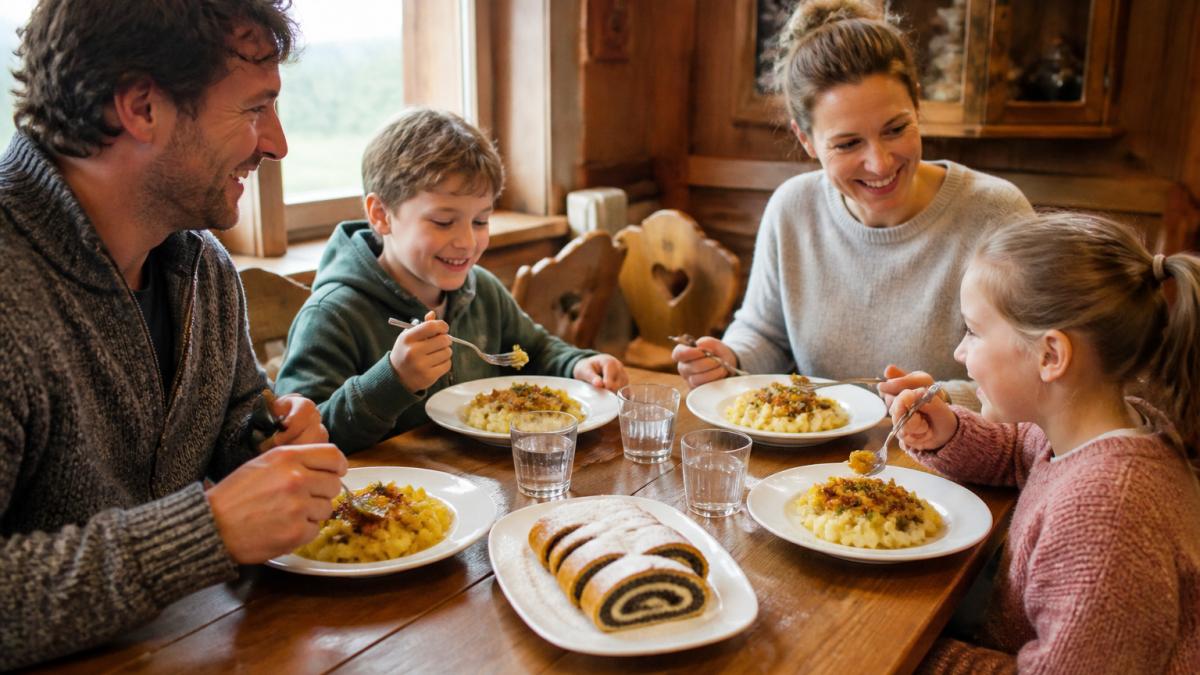
If you're looking for a restaurant serving traditional cuisine, you should ask for dishes that change with the seasons. Good restaurants cook with whatever is in season. Depending on the time of year, the menu might feature poppy seed noodles, game ragout, or a hearty carp dish. More Culinary Highlights for Couples in the Waldviertel Region show where such dishes are especially worth trying.
For many guests, a family meal at a table set with wooden tableware is one of the fondest memories of their stay. The portions are usually generous, and the staff is happy to explain where the ingredients come from. On the page for Accessible Dining Here you'll find information about which establishments in the region are easily accessible for guests with limited mobility.
Poppy Seed Specialties from the Waldviertel: From Poppy Seed Strudel to Poppy Seed Oil
In the Waldviertel, poppy seeds are more than just an ingredient. They define entire baking traditions and can be found in almost every bakery in the region, because Waldviertel specialties like poppy seed pastries are part of everyday life here. The poppy seed strudel is the best-known example, with a thin layer of dough and a filling of ground poppy seeds, sugar, and often nuts or raisins. How to Traditional Waldviertel Recipes A separate post shows how to recreate the dish at home.
In addition to pastries, there are poppy seed noodles, which are served with sugar and butter, and poppy seed oil, which is cold-pressed and used as a fine cooking oil. Anyone who tries poppy seed oil will quickly notice its nutty, slightly sweet flavor, which works well in salads.
When making a purchase, look for the origin information. Many manufacturers list the growing region directly on the label.
Waldviertel Carp: Pond Farming, Season, and Preparation
Carp is a traditional fish of the region that is raised in numerous ponds.
The traditional season for carp is during the fall and winter months. Many restaurants offer it fried or poached during this time. Ask about the daily specials when you visit, as fresh fish isn't always available.
How it's prepared is a matter of taste. Baked with potato salad is the most common way to serve it, while some families prefer to pan-fry the carp or serve it in a sauce.
Seasonal Specialties in the Waldviertel Throughout the Year
If you want to sample specific foods, you’ll need more than just a rough division into four seasons. In the Waldviertel region, harvest and availability windows shift by two to four weeks depending on elevation and weather conditions, and many specialties are only truly fresh for a short period of time. The following overview summarizes when each product is in season and how you can tell that you’re visiting at the right time.
| Time period | Product | How to Tell What Season It Is |
|---|---|---|
| March through May | Young wild garlic, wild herbs, asparagus | Herb Weeks at Inns, Fresh Bundles of Herbs at Farm Stores |
| May through July | Strawberries, the first berries of the season, young cheese | Berry stands along farm driveways, strawberry dumplings on weekly menus |
| July through September | Apricots, Plums, Grain Harvest | Fruit presses are starting up, fresh flour from this year's harvest |
| September through November | Poppy seeds, pumpkin, game, cider | Poppy harvest, wild game season, freshly pressed cider |
| November through February | Carp, hearty roasts, poppy seed pastries | Carp Weeks at Fish Farms, Winter Maps |
Poppy seeds are the best example of a narrow window: They’re harvested in late summer, but freshly ground poppy seeds have the most intense flavor when they haven’t been stored for months. Ask at the farm stand when the poppy seeds were ground—many farms grind them only upon order. The situation is similar with carp: The traditional season is during the months with an „r“ in their name—that is, from September through April—with the peak season falling in late fall.
Cider and fruit growing follow their own rhythm. Orchards are harvested in the fall, and the cider then ferments for weeks. Young, slightly cloudy must is available in late fall and winter, while older, clear must is offered year-round. If you’d like to taste the difference, be sure to ask specifically for „heuriger“ must—this term is often found only on handwritten signs.
Before making a specific trip to a farm stand or restaurant, call ahead and ask about what’s currently available. Small businesses rarely post their seasonal menus online, and products that are sold out are often still listed on the menu board.
If you stay flexible, you can take advantage of the transitional seasons: In late spring, the last of the winter supplies meet the first fresh herbs, and in early fall, berries and the first game dishes overlap. It’s precisely these weeks that offer the most interesting combinations on the menu.
Direct Sales and Farm Stores: Shopping Directly from the Producer
Direct marketing means that producers sell their products without going through middlemen. This is very common in the Waldviertel, and many farms have small shops or stands on their premises. There you’ll find flour, oil, eggs, honey, juices, and often cider as well.
The benefit for guests is obvious: they speak directly with the people who made the product. Questions about its origin, storage, or use are usually answered in detail.
Be sure to set aside some time and ask about the opening hours, since small farms aren't always open every day.
Tasting Guide for Beginners: How to Taste Wine Properly
Tasting is not a secret art, but rather a sequence. If you start with the wrong product, you won’t be able to taste the subtle differences in the ones that follow. For regional specialties, a simple sequence has proven effective: it progresses from mild to bold and neutralizes the palate in between.
The Correct Order
- Pure poppy seed oil on bread. Half a teaspoon is enough. Cold-pressed poppy seed oil has a mild, nutty flavor; heating it causes it to lose its aroma. Check whether the oil is slightly cloudy or clear—both are possible—but cloudy oil is usually fresher.
- Poppy seed strudel or poppy seed noodles. It is only here that the difference between raw poppy seeds and roasted poppy seeds becomes apparent. The heat intensifies the aroma, while at the same time bringing out the sweetness of the filling. Pay attention to whether nuts or raisins have been added, as they significantly alter the flavor.
- Most. A young, cloudy must is more tart and lively than a clear, matured must. Try both if you have the chance, and compare their acidity levels.
- Carp. Save it for last, because the taste of fish lingers longest on the palate. Baked carp with potato salad is the classic dish; ask if the fish is in season.
- Game and cheese. Hearty game dishes and aged cheeses are served last because they are the most challenging for the palate.
Neutralize between rehearsals
A piece of plain bread and a sip of water are enough. Avoid coffee, strongly spiced foods, and sugary drinks between tastings; they mask the subtle differences. If you’re comparing several poppy seed products, start with the mildest one and work your way up gradually.
What to Look for When Buying
In the Waldviertel, the origin information on the label is often the only indication of quality. Many producers specify the growing region directly; some also include the harvest year. For cider, the term „heurig“ indicates that it is from the current harvest.
A tasting doesn't have to be exhaustive. Three or four products, tasted in the right order, say more about the region than a long list that you only half-notice.
Jot down your impressions using two or three keywords per product. After a few tastings, you'll start to notice differences that you might have missed the first time around, and you'll be able to specifically ask for the products you liked best.
Combinations and Food Pairings: Cider, Bread, and Game
Regional products pair surprisingly well with one another. Cider made from orchard fruit goes well with hearty dishes because its acidity balances out the fat. A crisp, slightly tart cider pairs well with game dishes as well as local cheeses.
Bread made from rye or spelt is the perfect base for spreads, sausage, and honey. If you’re trying game, you can pair it with cranberries or juniper berries to round out the flavor.
These combinations aren't strict rules, but rather suggestions. Try out what you like.
Your next step toward culinary delight: Plan some specialties into your vacation
If you want to explore the Waldviertel through its cuisine, it’s best to plan a few days and combine food tastings with walks or excursions. That way, you’ll have plenty of time to visit farm stands, inns, and small markets.
Its peaceful, natural setting makes it a great starting point for excursions in the region.
Frequently Asked Questions
What are some typical specialties of the Waldviertel region?
Typical dishes include those made with poppy seeds, carp from local ponds, potatoes prepared in many different ways, as well as game and bread made from regional grains. Many farms process their own products and sell them directly from the farm. If you’re looking for specific regional specialties, keep an eye out for terms like “farm store,” “direct sales,” or “homemade.” That way, you’ll find products that truly come from the region—not just ones that claim to.
When is the season for Waldviertel carp?
Carp is traditionally available in the fall. Fresh carp is therefore usually most readily available during this time of year. Be sure to check directly with the pond owner or restaurant before your visit, as availability depends on the weather and how much fish has been caught.
Where can you try regional specialties from the Waldviertel?
Good places to visit include farm stands, direct-to-consumer vendors, restaurants serving regional cuisine, and local markets. If you’d like to sample several products in one place, it’s best to plan a day with two or three stops. Opening hours often vary by season, so it’s a good idea to give them a quick call beforehand.



Comments are closed, but trackbacks and pingbacks are open.