


Table of Contents
- Why the Waldviertel Is a Paradise for Anglers
- An Overview of the Most Beautiful Fishing Ponds in the Waldviertel Region
- Fish Species and Stocking in the Ponds
- Lower Austria Fishing License: What Anglers Need to Know
- Fishing Vacations in the Waldviertel: Planning and the Best Time of Year
- Accessible Fishing and Family-Friendly Spots
- Culinary Delights and a Place to Relax After Fishing
- Fish-Catching Festivals and Seasonal Events
- Conclusion: Discover the most beautiful fishing ponds in the Waldviertel
- Frequently Asked Questions
Last updated: October 1, 2026
Why the Waldviertel Is a Paradise for Anglers
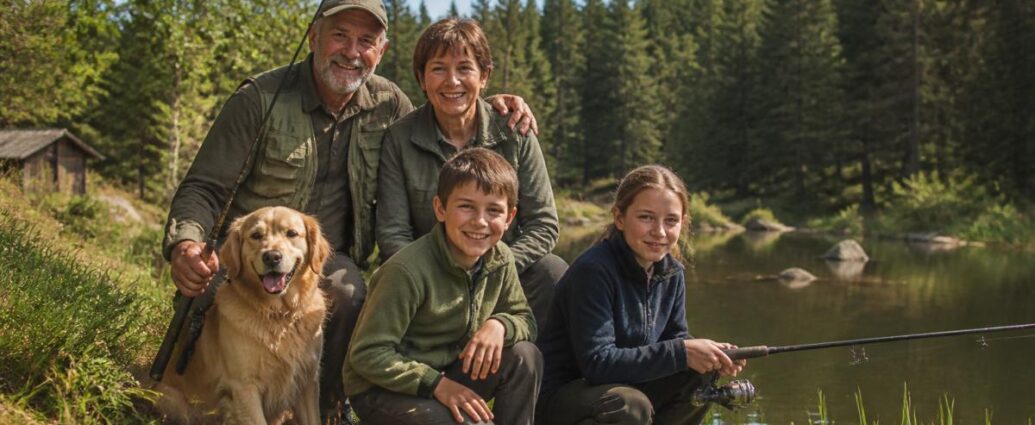
Anyone who has ever stood by the water early in the morning, with fog hanging over the granite hills, knows why the Waldviertel is one of the most beautiful fishing regions. The Waldviertel’s pond landscape is a dense network of hundreds of ponds, reservoirs, and small streams that have been managed for generations. This guide to the most beautiful fishing ponds in the Waldviertel Together, we’ll explore each pond, taking into account the fish population, accessibility, and which body of water is best suited for which angler.
The region is no longer an insider's secret. It is a well-established fishing destination with clear rules, designated fishing areas, and a long tradition of water management.
It’s precisely this combination that makes it so appealing. A day of fishing in the Waldviertel is rarely just a day of fishing. It’s an experience of nature—with quiet mornings, a vast sky, and an inn at the end of the trail.
The Waldviertel isn't known for any single top-rated body of water, but rather for its diversity: trout ponds, carp ponds, and reservoirs are often just a few kilometers apart.
An Overview of the Most Beautiful Fishing Ponds in the Waldviertel Region
There’s no single „best“ pond. Discovering the most beautiful fishing ponds in the Waldviertel means choosing based on fish species, size, and accessibility. If you’re looking for trout, you’ll go a different way than someone who’s after carp and tench.
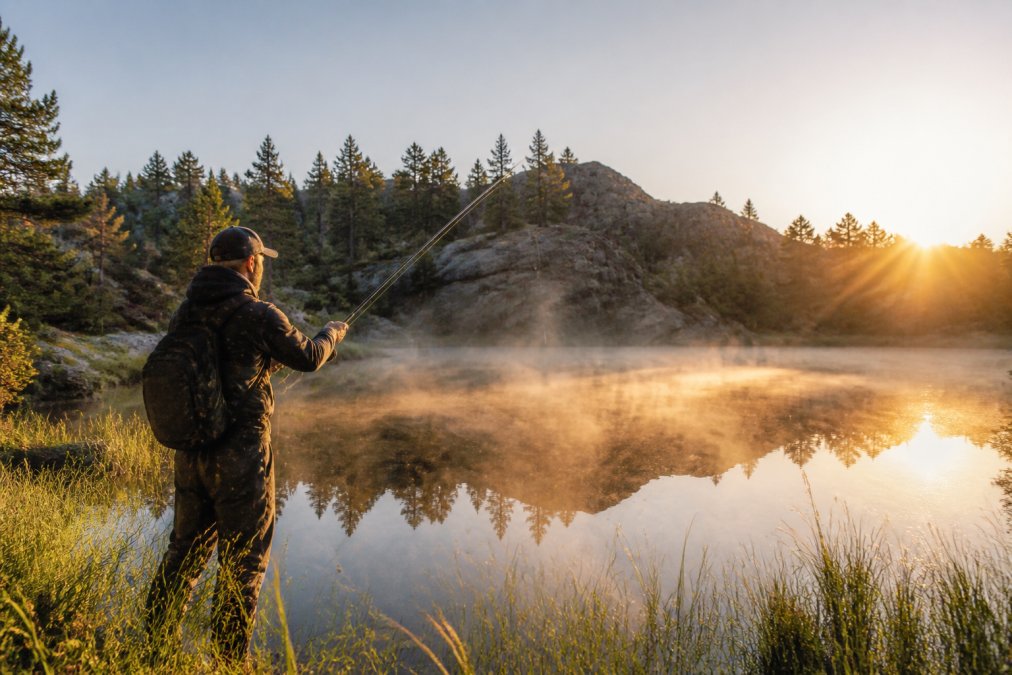
Many fishing ponds are privately owned or belong to a fishing club. Day passes are usually available directly from the operator or through the local municipality. It’s a good idea to give them a quick call before you go, since not every body of water is open year-round.
Three Pond Landscapes That Make All the Difference
Instead of an arbitrary ranking, it is helpful to categorize the area by landscape type. The following three zones cover the range of conditions that anglers actually encounter in the region:
- Northern Granite Plateau (Litschau-Heidenreichstein area): Shallow, nutrient-rich ponds with carp, tench, and pike. The bodies of water here are often large, and the banks are soft and marshy. Long fishing sessions in the evening are typical.
- Waldviertel Highlands (Karlstift-Bad Großpertholz area): Cool, oxygen-rich streams and reservoirs stocked with trout, char, and grayling. The high elevation means a shorter season and vulnerable fish populations.
- Kamptal and the surrounding area (Rosenburg-Gars region): The Kamp is a flowing river with sections stocked with trout and grayling, as well as calmer oxbow lakes. Here, salmonid and non-predatory fish fishing areas come together in a small area.
Pond systems with trout and char
Trout and char ponds are often located at higher elevations with cool, oxygen-rich water. These ponds are usually smaller and clearly defined, with an inlet and an outlet. Fishing is typically done with a fly rod or a light spinning rod. Since the trails to these remote bodies of water are often steep and rugged, it’s easier to Lightweight Hiking Backpacks transporting the equipment across uneven terrain.
- Cool water, often fed by a stream
- Good chances in the early morning hours
- Common Daily Catch Limit
- A fly rod or a light spinning rod is a good choice
A common misconception: A stream flowing into the pond does not automatically guarantee good fishing conditions. After heavy rain, the inflow clouds the water and reduces visibility—in that case, the pond’s outflow is the better spot because that’s where the clear water collects.
Waters for carp, tench, and catfish
The warmer, more nutrient-rich ponds in the shallower part of the region are home to non-predatory fish. Here you’ll find carp, tench, and catfish, as well as zander and pike as predatory fish. These bodies of water are often larger and require more patience.
- Larger body of water, deeper areas
- Fishing from a fixed spot with a feeding area is worth it
- Predatory fish caught with artificial lures along the edge
- Best time: late afternoons in the summer
Here's how to check out a fishing spot before you go
A quick call to the operator or the local municipality will clear up the most important details and save you from a day of fruitless fishing:
- Is this body of water open to visiting anglers? Club waters are often accessible only to members.
- When was the last stocking? A newly stocked pond behaves differently than one that has been overfished.
- Is there a catch limit or a mandatory harvest requirement? Some fishing areas require that caught fish be removed.
- Are there any closed seasons or restricted areas? Special rules often apply, particularly to inflows and outflows.
- Can equipment be rented on site? Not every shop rents out fishing rods—ask first.
Discovering the most beautiful fishing ponds in the Waldviertel isn’t about working through a list, but about choosing the right type of landscape: granite plateaus for non-predatory fish, highlands for salmonids, and the Kamptal for a mix of both.
Fish Species and Stocking in the Ponds
The fish population in the Waldviertel is diverse and is actively managed. Trout and char are typical in the cooler bodies of water, while carp, tench, and catfish are found in the warmer ponds. Zander and pike are also present as predatory fish.
The stocking is managed by the operators and fishing clubs. This means that not every pond has every species. If you’re specifically looking for a certain type of fish, it’s best to ask in advance.
- Non-predatory fish: Carp, tench, and some catfish
- Predatory fish: Pike, Zander
- Salmonids: Trout, char
- Catch limits and closed seasons vary by fishing area
Ask the operator not only about the species of fish, but also about the most recent stocking. A freshly stocked pond behaves very differently from one that has been overfished.
Lower Austria Fishing License: What Anglers Need to Know
Anyone who wants to fish in the Waldviertel generally needs a valid fishing license for Lower Austria. This license is issued by the relevant authority and usually requires proof of passing a fishing exam. Fishing without a license is permitted only in exceptional cases, such as at some supervised facilities that offer day permits.
The state sets the specific requirements, deadlines, and costs. Always check the current conditions directly with the appropriate agency, as details are subject to change. You can find reliable information at The State of Lower Austria on Fisheries.
Daily Passes and Permits
For visiting anglers, a day pass is the standard option. It is issued by the fishing area owner or operator and is valid only for that specific body of water. Some fishing areas offer weekly or seasonal passes.
| Document | Applies to | Reference |
|---|---|---|
| Fishing License | Person, nationwide | Government Agency |
| Day Pass | One Precinct, One Day | Operator |
| Season Pass | One territory, all season | Operator |
| Permit | a specific body of water | Territory Owner |
Always carry your license with you. Inspections are common, and without proof, your day of fishing can quickly get expensive.
Fishing Vacations in the Waldviertel: Planning and the Best Time of Year
A fishing trip to the Waldviertel works best if you plan ahead a bit. Those who visit in the spring or fall usually find the best conditions. In the height of summer, the early morning hours and dusk are the most productive times.
The best time of year depends on the type of fish. Salmonids bite better in cooler water, while non-predatory fish become more active in warmer temperatures. Three factors are crucial in determining how your fishing day actually turns out:
- Water temperature: Salmonids become sluggish at temperatures of about 18 °C and avoid shallow, sunny areas. Non-predatory fish become increasingly active at temperatures of about 15 °C.
- Water Level and Turbidity: After rainfall, the water level rises and visibility decreases. It then takes one to two days for flowing bodies of water to clear up again.
- Air pressure: A drop in air pressure before a change in the weather often noticeably dampens the fishing bite. A stable, high-pressure day is usually the better choice.
Times of the Day When Fish Bite
If you know the best times to fish, you'll spend less time at the water's edge without any success. The following patterns are common in the region:
- Spring (April–May): Trout and char bite best during the first two hours after sunrise, while the water is still cool.
- Summer (June–August): The midday heat is gone. The hours before sunrise and the last hour before nightfall are the most productive.
- Fall (September–October): The most stable time for non-predatory fish. As the water cools, carp and tench move to deeper areas.
- Winter (November–March): Many fishing areas are closed. Where fishing is permitted, short midday sessions when the sun is out are the most productive.
Equipment Rental: What's Available On-Site
Not everyone brings all their gear. Some shops and fishing areas rent out rods and accessories. Ask before you book what’s available on site—that way, you’ll save yourself the trouble of carrying heavy luggage.
- Rods and Reels: Some pond facilities and fishing businesses lend them out, often in exchange for a deposit.
- Lures and Flies: Often available locally, especially at trout ponds.
- Landing net and unhooking mat: Not available everywhere—please inquire in advance.
- Fishing Spot Tips: Good spots are often found near inlets and outlets, along the edges of reed beds, or under overhanging trees.
If you're traveling without your own equipment, you should call to reserve it at least one day in advance. Popular weekend slots fill up quickly.
Fishing Spot Tips for Your First Day
- Before casting, read the current: Fish are found where the current breaks.
- Shade and reeds are hotspots, especially around noon.
- Choose your rods and bait in advance based on the target fish species.
- After heavy rain, use the pond's outlet instead of the inlet.
Anyone who fishes in a club's waters without prior permission risks being reported and losing their equipment. Always check in advance to see if the area is open to visiting anglers.
Accessible Fishing and Family-Friendly Spots
Fishing isn't a sport that has to be limited by mobility. Some fishing ponds in the Waldviertel have flat, paved paths along the shore and easily accessible fishing spots. For wheelchair users and people with limited mobility, this makes the difference between watching and participating.
Families benefit from short distances and safe shoreline areas. A pond with a gentle slope into the water and places to sit is much more relaxing for children than a steep, natural shoreline.
- Look for paved, level paths along the riverbank
- Short distance from the parking lot to the water
- Seating and shaded areas
- Ask in advance about accessible entry
This is exactly where Ferienwohnungen Gutenbrunn comes in. Anna and Herbert’s four apartments are barrier-free and wheelchair-accessible, featuring a kitchen-dining area and bedrooms. Many of the region’s bodies of water are easily accessible from Gutenbrunn, and Lake Edlesberg is nearby.
Culinary Delights and a Place to Relax After Fishing
After a day of fishing, a good meal is a must. The cuisine of the Waldviertel is down-to-earth: carp, trout, and char are on the menu depending on the season, served with dumplings, potatoes, and hearty home-style cooking. Many restaurants in the region serve fish from local farms.
If you catch your own fish, some restaurants will prepare it for you. Ask the owner if that's possible.
- Fresh carp in season
- Trout à la Müllerin or smoked trout
- Regional Dumplings and Potato Dishes
- Homemade pastries to finish off the meal
The combination of calm waters, wide-open skies, and a warm meal in the evening is what keeps many anglers coming back to the Waldviertel time and time again.
Fish-Catching Festivals and Seasonal Events
A fish harvest festival is more than just an event on the calendar. During the traditional fish harvest, ponds are drained, the fish are sorted, and the region joins in the celebration. For visitors, this is a rare opportunity to see water management up close.
Many festivals take place in the fall. Dates vary by district and are often announced on short notice.
- Traditional Fall Fishing
- Local regional seafood specialties
- An Overview of Water Resource Management
- Check with the operator or the municipality for available dates
If you want to attend a fish-catching festival, plan your trip early. These events are popular in the region, and the parking lots fill up quickly.
Conclusion: Discover the most beautiful fishing ponds in the Waldviertel
Discovering the most beautiful fishing ponds in the Waldviertel means taking your time and experiencing the region as a whole. If you choose your spot based on the type of fish, check the Lower Austria fishing map in advance, and fish during the best time of year, you’ll have a good chance of enjoying a successful day of fishing. Ultimately, discovering the most beautiful fishing ponds in the Waldviertel is less about finding the one perfect spot and more about proper preparation.
And if you want to discover the most beautiful fishing ponds in the Waldviertel, you’ll need a base from which everything is within reach. That’s exactly what Ferienwohnungen Gutenbrunn offers: barrier-free, wheelchair-accessible apartments, Vacation with Your Dog You’ll enjoy personalized service from Anna and Herbert and a peaceful setting surrounded by the natural beauty of Gutenbrunn. After a long day by the water, you’ll find a retreat here free from the pressure of a tight schedule.
Frequently Asked Questions
Where can you go fishing in the Waldviertel?
The Waldviertel region has numerous ponds and reservoirs that are ideal for fishing. The Waldviertel pond landscape, in particular, with its calm waters, offers excellent conditions for both non-predatory and predatory fish anglers. Many ponds are privately owned and require a day pass. Be sure to check with the respective water management authority in advance regarding opening hours and rules.
Do I need a fishing license to fish in the Waldviertel?
Yes, you need a valid fishing license to fish in Lower Austria. You can obtain one by passing an exam or as a guest permit for certain bodies of water. In addition, a day pass for the respective fishing area is usually required. The exact regulations may vary depending on the fishing area, so it’s advisable to check with the operator in advance.
What kinds of fish can you catch in the ponds of the Waldviertel?
In the ponds of the Waldviertel, anglers will find mainly trout, char, carp, tench, catfish, zander, and pike. The fish stock varies depending on the body of water and how it is managed. While some ponds specialize in salmonids, others focus on non-predatory fish. Check the current fish population before you go fishing.
Are there any family-friendly fishing spots in the area?
Yes, some fishing ponds in the Waldviertel are designed to be family-friendly and feature shallow shorelines as well as fishing spots that are a breeze for kids. There are also a few that offer barrier-free access. Ponds with calm waters and easy access are particularly well-suited for families. Look for providers that offer equipment rentals and childcare services.
A day of fishing in the Waldviertel is all about peace and quiet, nature, and good preparation. If you’re looking for accommodations that match this pace, Ferienwohnungen Gutenbrunn is the right choice. The barrier-free and wheelchair-accessible apartments, the personalized service from Anna and Herbert, and the central location for exploring the region make planning a breeze. Book your stay directly with Ferienwohnungen Gutenbrunn and look forward to a getaway in one of the most beautiful natural landscapes.
Comments are closed, but trackbacks and pingbacks are open.