


Table of Contents
- What Makes a Vacation Rental Suitable for a Winter Vacation
- Heating and Thermal Comfort: The Foundation of Winter Preparedness
- Vacation Rental Checklist for Winter Vacations: Essential Amenities
- Accessible Vacation Rental in the Waldviertel: Winter-Ready Accessibility
- Vacation Rental in the Waldviertel That Allows Dogs: Winter-Specific Requirements
- Vacation Rental with Sauna in the Waldviertel: Winter Wellness
- Self-catering amenities for extended stays
- Safety and Emergency Supplies in Winter
- Facilities by Target Audience: Families, Solo Travelers, and Groups
- Questions Before Booking: What You Should Know About Winter Gear
- Items to Bring: In addition to the amenities provided in your accommodations
- Conclusion: The right equipment makes all the difference
- Frequently Asked Questions
Last updated: October 9, 2026
What Makes a Vacation Rental Suitable for a Winter Vacation
A successful Vacation Rental: Winter Vacation Amenities is the foundation for a relaxing stay during the cold season. Not every type of lodging is equally suited to the demands of a winter vacation.
The key factors are reliability, comfort, and well-thought-out details. Good winter gear ensures that your family—or you, as a solo traveler—will feel comfortable right away, without having to worry about missing equipment or uncomfortable temperatures. This starts with sturdy heating systems, extends to high-quality textiles, and includes practical little touches such as non-slip walkways and adequate lighting during the dark winter months.
What many guests overlook: The amenities in a vacation rental for a winter getaway must also be tailored to the specific needs of different guest groups. Families with children require different amenities than couples or solo travelers. Dog owners have their own unique needs, and people with limited mobility require accessible solutions that in winter will become particularly important.
Heating and Thermal Comfort: The Foundation of Winter Preparedness
A reliable heating system is non-negotiable. The Best Vacation Rental Amenities for a Winter Vacation It's no use if the guests are cold. Thermal comfort is the top priority—not only for their well-being, but also for their health and safety.
Heating Systems and Their Reliability
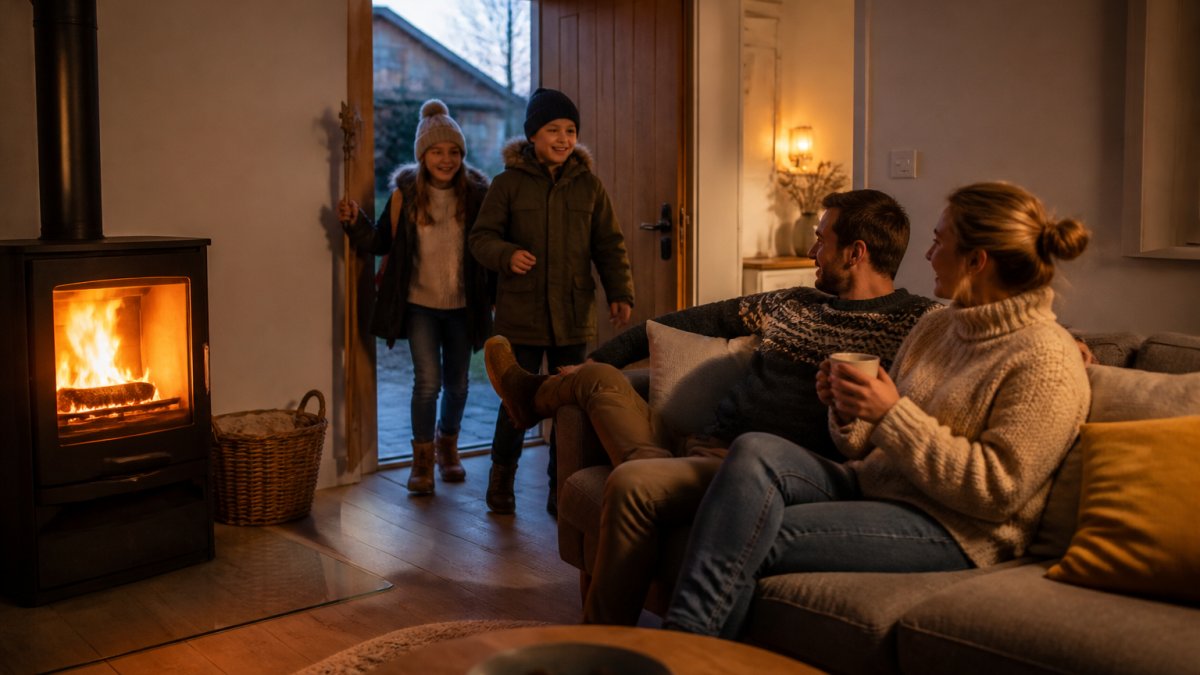
Modern vacation rentals should have redundant heating systems. A central heating system with backup systems—such as electric heaters or wood-burning stoves—provides peace of mind. In the Waldviertel region, where winter temperatures regularly drop below freezing, a heating system that works around the clock is a necessity.
Guests should be able to adjust the temperature in each room individually. Thermostatic valves on the radiators make it possible to save energy while accommodating personal preferences. A properly functioning heating system also means that the accommodation can be preheated before guests arrive—no one wants to walk into a cold apartment.
Before booking, check to see if the heating system is serviced regularly. Ask when the last service was performed and whether there is a 24-hour emergency service in case something goes wrong.
Energy Consumption and Operating Costs
An efficient heating system not only saves on operating costs but also helps protect the environment. Modern heating systems with good insulation significantly reduce energy consumption. This is especially important for longer stays, when heating costs can add up.
Good windows and doors are just as important as the heating system itself. Leaks lead to heat loss and uncomfortable drafts. When choosing a vacation rental for a winter getaway, you should therefore also pay attention to the quality of the windows—double-glazed or even triple-glazed windows are a major advantage in winter.
Vacation Rental Checklist for Winter Vacations: Essential Amenities
Most lodging directories only list keywords like „heating“ or „kitchen.“ For a winter stay, a room-by-room checklist is helpful; it shows what really matters during the cold months—and what quantities and supplies make sense to have on hand.
Entrance, Hallway, and Vestibule
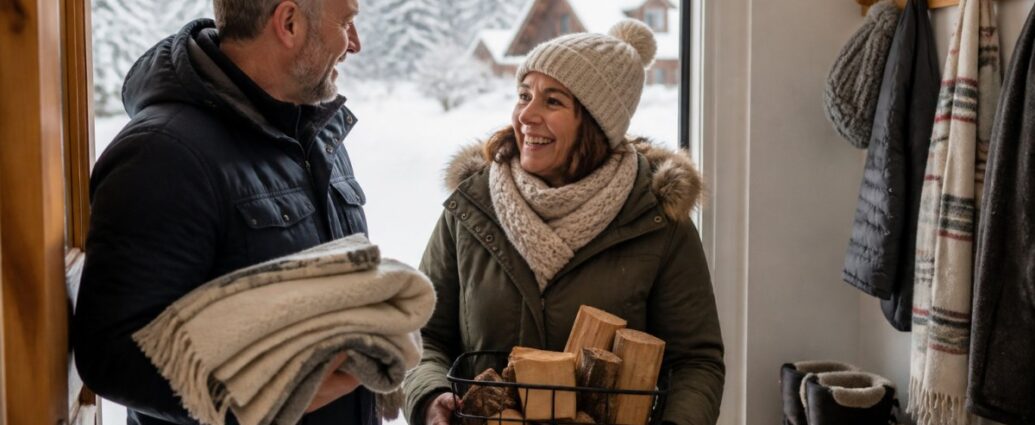
The entryway determines whether moisture and grit are tracked into the apartment. The following have proven effective:
- A sturdy outdoor doormat (coarse, scratch-resistant) and an absorbent mat for indoors
- A shoe rack with a raised edge or a shoe rack with a drip tray to catch melting water
- A set of wall hooks for wet jackets, plus at least two additional hangers per person
- A small hand broom with a dustpan for grit and gravel
- A lockable box or bag for ski and snowboard boots to prevent meltwater from running onto hardwood floors or tile
Living and Dining Area
- Seating with wipe-clean or washable covers; wool or fleece blankets within easy reach (rule of thumb: one blanket per seat plus one extra)
- Two to three light sources per room: a ceiling light for brightness, a floor lamp or wall sconce for warm light, and a small reading lamp
- Warm-white LED bulbs (about 2,700 K) so that the rooms don't look cold when it gets dark early
- A dry, heated place for wet gloves, hats, and scarves (for example, a radiator rack or a small clothes drying rack)
Sleeping Area
- Duvets with a fill weight of at least 200 g/m² for winter temperatures; plus one wool blanket per bed as a backup
- Pillows in two firmness levels to accommodate different sleeping positions
- Flannel or corduroy bedding for winter, cotton or linen sheets as a summer alternative
- A second, dry place to store wet outdoor clothing so that bedrooms don't get damp
Cooking and Food Storage
- Basic amenities: Stove, oven, refrigerator with freezer, dishwasher, electric kettle, coffee maker, toaster
- Dishes and silverware for the maximum number of guests plus two extra sets; at least two pots, two pans, one roasting pan, one colander, and a set of cutting boards
- Basic pantry items: salt, pepper, oil, vinegar, sugar, flour, coffee, tea, dish soap, dish towels (at least three), trash bags, aluminum foil, plastic wrap
- A thermos and at least two insulated mugs for outings in cold weather
Bathroom and Laundry
- A sufficient number of towels (rule of thumb: two per person, plus one towel for the kitchen)
- A clothes rack and, if possible, a dryer; alternatively, a well-ventilated drying area
- Laundry detergent, fabric softener, and a laundry basket for stays of several days
- A hair dryer that can also be used to dry shoes or gloves
Outdoor Areas, Pathways, and Vehicles
- Clear access to the front door, the trash area, and the parking lot; de-icing salt or gravel within easy reach
- Outdoor lighting with a motion sensor or timer to ensure the path is safe after dark
- A dry, lockable storage area for skis, snowboards, sleds, or snowshoes
- An ice scraper and a snow brush in the entryway so guests can quickly clear the snow off their cars in the morning
Before booking, ask specific questions about quantities, not just whether items are available: How many blankets per bed? How many towels per person? Is there a dry storage area for skis and boots? The answers to these questions will show whether the accommodations are truly winter-ready.
What Sets This Checklist Apart from Standard Lists
Directories list amenities as "yes" or "no" features. For a winter vacation, however, what matters is the combination of quantity, space, and drying options. If you check these three points, you'll quickly see whether a vacation rental is merely heatable or truly winter-ready.
Accessible Vacation Rental in the Waldviertel: Winter-Ready Accessibility
Accessibility in the winter requires additional consideration. At Ferienwohnungen Gutenbrunn, we understand that people with limited mobility or who use wheelchairs have specific needs that become even more critical during the cold season.
Snow Removal and Pathway Maintenance
Snow and ice make walkways particularly dangerous for people with disabilities. A clean, cleared walkway isn't optional—it's essential for safety. Hosts should have a reliable snow removal service or clear the walkways themselves every day.
The paths leading to the front door, the car, and important destinations must be free of snow and ice. This means not only clearing snow but also applying de-icing materials to prevent icing.
Slip Resistance and Safety on Pathways
Slip resistance is a key element of winter accessibility. All outdoor walkways should be equipped with slip-resistant materials or rubber mats. Stairs and landings also require slip-resistant surfaces and sturdy handrails.
Indoors, floors should also be slip-resistant. Smooth tiles or hardwood floors can become slippery in the winter when guests walk around in wet boots. Rugs or rubber mats placed in strategic locations—such as near the entrance—help absorb water and minimize the risk of slipping.
Vacation Rental in the Waldviertel That Allows Dogs: Winter-Specific Requirements
Dog owners planning a winter vacation have very specific needs. A well-equipped vacation rental for dogs goes far beyond just a simple dog bed.
Protection from the cold and rain
In winter, dogs need protection from the cold and wet. Their living quarters should provide a warm, dry place for the dog—ideally with its own dog bed in a heated room. Some dogs also need winter clothing, especially smaller breeds or dogs with short coats.
A designated area for drying wet paws is essential. A doormat at the entrance, towels, and perhaps a hair dryer will help keep the place from getting wet and muddy. Guests with dogs appreciate it when the place is practically set up.
Walks and Exercise in Winter
The Waldviertel offers opportunities for walking with dogs. A vacation rental should be located near plenty of green spaces and forest trails. In winter, safe, not-too-steep trails are especially important—dogs can slip on icy slopes.
Information about Local dog parks, leash laws, and safe walking routes should be provided.
Make sure that the salt and de-icing agents on the paths aren't too harsh—they can irritate your dog's paws. Ask your host about the materials used.
Vacation Rental with Sauna in the Waldviertel: Winter Wellness
Wellness amenities such as a private sauna turn a winter vacation into a pampering weekend.
A sauna in the winter isn't just pleasant—it also offers health benefits. Heat therapy promotes blood circulation and helps relieve tension caused by the cold.
A well-equipped sauna includes towels, a cool relaxation room, and possibly a small pool or an outdoor shower. The sauna should be maintained regularly and meet all safety standards. Guests should be given clear instructions on how to use it—this is especially important for people who don’t use the sauna regularly.
Self-catering amenities for extended stays
If you're staying longer than a weekend, you'll need a fully equipped place to stay. The vacation rental must be equipped for self-catering.
Kitchen and Dining Area
A well-equipped kitchen is the heart of a self-catering accommodation. It should have at least the following appliances: stove, oven, refrigerator, freezer, dishwasher, and microwave. Small appliances such as a kettle, toaster, and coffee maker are also important.
There should be enough dishes, silverware, and glasses—at least enough for the number of guests, plus extras. Cooking utensils such as pots, pans, cutting boards, and knives should be high-quality and complete. A large dining table or kitchen bar creates a place for people to gather.
Laundry and Dry Cleaning
A washing machine is essential for longer stays. Ideally, there should also be a dryer or at least good options for drying laundry (clothes rack, radiator). Laundry detergent and fabric softener should be provided.
Cleaning supplies such as a vacuum cleaner, broom, mop, and cleaning products allow guests to keep the accommodation clean. A laundry basket and ample storage space for personal belongings are both practical and important.
Safety and Emergency Supplies in Winter
Winter safety doesn't start inside the apartment—it begins on the way there and on the path to the front door. This is precisely the point that most lodging directories overlook—yet it often determines whether a stay will be relaxing or stressful.
Getting Here and Accessibility
- Before booking, ask whether the access road is cleared year-round and who is responsible for doing so (host, service provider, municipality).
- Check whether the last section of the route is paved, gravel, or unpaved—gravel and inclines can be a problem when the road is icy.
- Find out whether winter tires or snow chains are required on the access road; snow chains are often recommended at higher elevations.
- Ask for the exact address and brief directions in case your GPS doesn't recognize the route.
- If you're arriving in the evening, allow extra time: Snowplows in rural areas often don't start clearing the roads until a few hours later.
Parking and Paths
- A cleared, marked parking spot right next to the lodging saves you from having to carry your luggage and gear a long way.
- Ask whether the parking space will be cleared in the event of heavy snowfall and whether an alternative parking space is available.
- The path from the parking lot to the front door should be well-lit and free of ice; motion sensors or a timer are useful here.
- De-icing material or grit should be kept within easy reach so that guests can apply more themselves if ice forms overnight.
Lighting and Wayfinding
- Outdoor lighting at the entrance, parking lot, and trash area is especially important in winter because it gets dark early.
- Having a small flashlight or headlamp at home comes in handy for late-afternoon walks.
- Emergency contacts (family doctor, pharmacy, police, fire department, European emergency number 112) should be posted in a clearly visible location.
- Information about the nearest medical care and the nearest hospital is especially important for guests with children or valuable to older people.
In the apartment
- Working smoke detectors in bedrooms and living areas, a fire extinguisher, and a fire blanket in the kitchen.
- A first-aid kit containing band-aids, bandages, pain relievers, a thermometer, and—especially important in winter—a heating blanket.
- Store candles and matches only in a safe, fireproof place, away from fabrics.
- A carbon monoxide detector is a good idea if you heat your home with a wood-burning stove, gas, or oil.
- Clear instructions on how to use a wood-burning stove or sauna, including guidelines on ventilation and safety distances.
Emergency Supplies for a Power Outage
Power outages are rare in winter, but they can happen. The following measures have proven effective:
- Flashlights with fresh batteries kept in a designated spot
- A battery-powered radio or a power bank for your cell phone
- A small supply of non-perishable food and water
- Warm blankets and extra clothing in case the heat goes out temporarily
De-icing agents can irritate paws and damage sensitive surfaces. Ask the host what products are used and whether gravel or sand is used as an alternative.
Winter safety isn't a single factor, but a chain of elements: a cleared driveway, a safe path, good lighting, and clear emergency information. By checking this chain, you can determine whether a lodging is reliable even under adverse conditions.
What Sets These Tips Apart from Those in Standard Guidebooks
Most articles focus solely on safety inside the apartment. For a winter vacation in rural areas, however, access roads, parking, lighting, and de-icing materials are just as important—and these are precisely the issues that should be clarified before booking.
Facilities by Target Audience: Families, Solo Travelers, and Groups
Different guests have different needs. A well-thought-out winter vacation rental takes these differences into account.
Family-Friendly Winter Gear
Families with children need specific items of furniture and equipment. High chairs for small children, cribs, changing tables, and toys are essential. Child-friendly safety equipment, such as outlet covers and corner guards, is also necessary.
Entertainment is especially important in the winter. Board games, books, and perhaps a TV with children's channels can help when the weather is bad. A playroom or play area gives children space to run around when they can't go outside.
The kitchen should also be family-friendly—with plenty of dishes in various sizes and child-friendly foods such as pasta, rice, and basic ingredients for simple meals.
Amenities for Couples and Solo Travelers
Couples value comfort and privacy. A large, comfortable bed, a beautiful bathroom, and perhaps a wood-burning stove or a sauna all contribute to a romantic stay. A good TV or stereo system provides entertainment without distractions.
Solo travelers often need less space, but they do need good amenities for their activities. A desk for remote work, reliable internet, and perhaps some fitness equipment are valuable. Information about local activities and attractions also helps solo travelers make the most of their time.
Questions Before Booking: What You Should Know About Winter Gear
Before you book a vacation rental, you should specifically ask about winter amenities. Here are the most important questions:
Heating and Warmth: What kind of heating system does it have? Is there a backup heating system? Can you adjust the temperature?
Winter Accessibility: Have the walkways been cleared of snow? Are the surfaces slip-resistant? Are there handrails?
Bedding and Textiles: How warm are the comforters? Are there any extra blankets?
Lighting: Are all the rooms well-lit? Are there different light sources?
Self-catering amenities: Is the kitchen fully equipped? Is there a washing machine?
Safety: Is there an emergency kit? How can I contact the host?
At Ferienwohnungen Gutenbrunn, we're happy to answer these questions in detail. We understand that it's important to know exactly what to expect.
Items to Bring: In addition to the amenities provided in your accommodations
Although a good vacation rental has a lot to offer, there are a few things guests should bring with them:
- Warm clothing: winter jacket, gloves, hat, warm socks
- Sturdy footwear: Winter boots with good traction
- Personal care items: toothbrush, toothpaste, medication
- Sun protection: Sunscreen and sunglasses (to protect against glare from the snow!)
- Outdoor gear: Hiking boots, skis, or snowshoes, depending on your planned activities
- For dogs: dog jacket, paw protection cream
- Entertainment: Favorite books or games, if you have any particular preferences
Good amenities in a vacation rental for a winter getaway don't replace the right personal gear—they complement it.
Conclusion: The right equipment makes all the difference
Well-thought-out winter amenities can transform a stay in a vacation rental from just okay to extraordinary. It's not about luxury, but about thoughtful, practical solutions that make everyday life in winter easier and ensure safety.
When choosing a vacation rental for a winter getaway, you should pay attention not only to the heating but also to the smaller details: the quality of the bedding, the lighting, the safety features, and how well-suited it is for self-catering. Good accommodations show that the host understands their guests and takes their needs seriously.
At the Austrian tourism industry You can find more information about high-quality vacation rentals in your region. The Austrian Institute for Sustainable Development also provides guidelines for sustainable and comfortable accommodations.
At Ferienwohnungen Gutenbrunn, we understand that the right level of comfort is essential in winter. Our four lovingly furnished vacation apartments feature barrier-free rooms, reliable heating, high-quality bedding, and a fully equipped kitchen for extended stays. With personalized service from Anna & Herbert and an ideal location for winter hikes in the Waldviertel region, we provide the perfect setting for your getaway. Book directly with us and enjoy a winter vacation that’s truly relaxing.
Frequently Asked Questions
What should a vacation rental have for a winter vacation?
A complete set of winter supplies includes reliable heating, warm bedding such as thick blankets and pillows, non-slip flooring or rugs, good lighting to combat the early darkness, functional windows with tight-fitting frames for thermal insulation, gloves and towels for drying, as well as a fully equipped kitchen for self-catering. Information on emergency contacts and heating controls is also particularly important.
What type of heating is most important for a vacation rental in the winter?
Central heating systems with thermostatic valves offer the best control and reliability. It’s important that the heating system is easy to maintain and can be repaired quickly if problems arise. Additional radiators or wood-burning stoves enhance comfort. Before booking, check whether the heating system is regularly maintained and how quickly the hosts can be reached in case of breakdowns.
What should you pay special attention to when preparing an accessible vacation rental for winter?
For accessible accommodations, it is crucial that the paths leading to and around the apartment be cleared of snow and made slip-resistant. Doors should be easy to open, even when hands are wet or cold. Radiators must be accessible from a wheelchair. Before booking, ask about snow removal, the availability of de-icing materials, and how to contact the hosts during the winter.
Is it a good idea to have a sauna in a vacation rental during the winter?
A sauna offers special benefits in the winter: It helps combat the feeling of cold, relaxes tense muscles after winter hikes, and provides a wellness experience during the cold season. A private sauna in your home is ideal, since you can use it anytime. Make sure the sauna is maintained regularly and that you receive instructions on how to use it safely.
What should a vacation rental offer for a winter vacation with a dog?
Important for dogs in winter: easy-to-clean flooring for wet paws, a place to dry dog accessories, good heating so the dog doesn’t get cold, and ideally a fenced-in outdoor area or nearby walking trails. Ask about nearby winter walking trails and whether the host has any tips on safe routes. Some dogs also need protective gear, such as dog clothing, for very cold days.
What equipment should you bring along for a winter vacation?
Bring warm, layered clothing, non-slip winter shoes, gloves, a hat, and a scarf. Recommended for active travelers: hiking poles, snowshoes, or crampons for hikes. Personal care items and medications are important, as pharmacies may have limited hours. For dogs: dog clothing, paw protection, and towels for drying. Check before you arrive to see what your lodging already provides.
What should you ask about winter equipment before booking?
Ask about the type and capacity of the heating system, the availability of alternative heating sources, whether snow removal is included in the price, and how quickly you can reach the host. Ask about bedding and its warmth, whether towels are provided, and what kitchen appliances are available. If you have a dog: Ask about flooring and walking paths. Read guest reviews specifically about winter experiences.
Are vacation rental prices lower in the winter than during other seasons?
Winter rates vary depending on the region and when you book. Some regions with winter sports have higher winter rates, while quiet, natural areas often offer different options in the winter. Be sure to check whether heating costs are included in the price or billed separately. Book directly with the host to discuss all costs transparently and potentially receive long-term discounts.


Comments are closed, but trackbacks and pingbacks are open.